
Healthy High-Protein Snacks For Weight Loss On The Go

If you’re trying to lose weight but feel swamped by your daily schedule, it can feel pretty tough to find quick snacks that don’t blow up your progress. That’s where high protein snacks come in, packed with nutrition and handy for eating on the go. I’ve spent a lot of time figuring out which snacks work best when life gets busy, and I’m  (Sophie) excited to share ideas and tips that keep things tasty, filling, and easy to pack.

Why High Protein Snacks Help With Weight Loss

Adding protein to your snacks isn’t just popular; it actually helps you feel full longer, curbs cravings, and can keep your energy steady between meals. Snacks high in protein can support weight loss by helping control calorie intake. That’s because protein takes a bit longer to digest than carbs or fat, so you feel satisfied and less likely to grab something sugary later on.

Quick High Protein Snacks You Can Take Anywhere

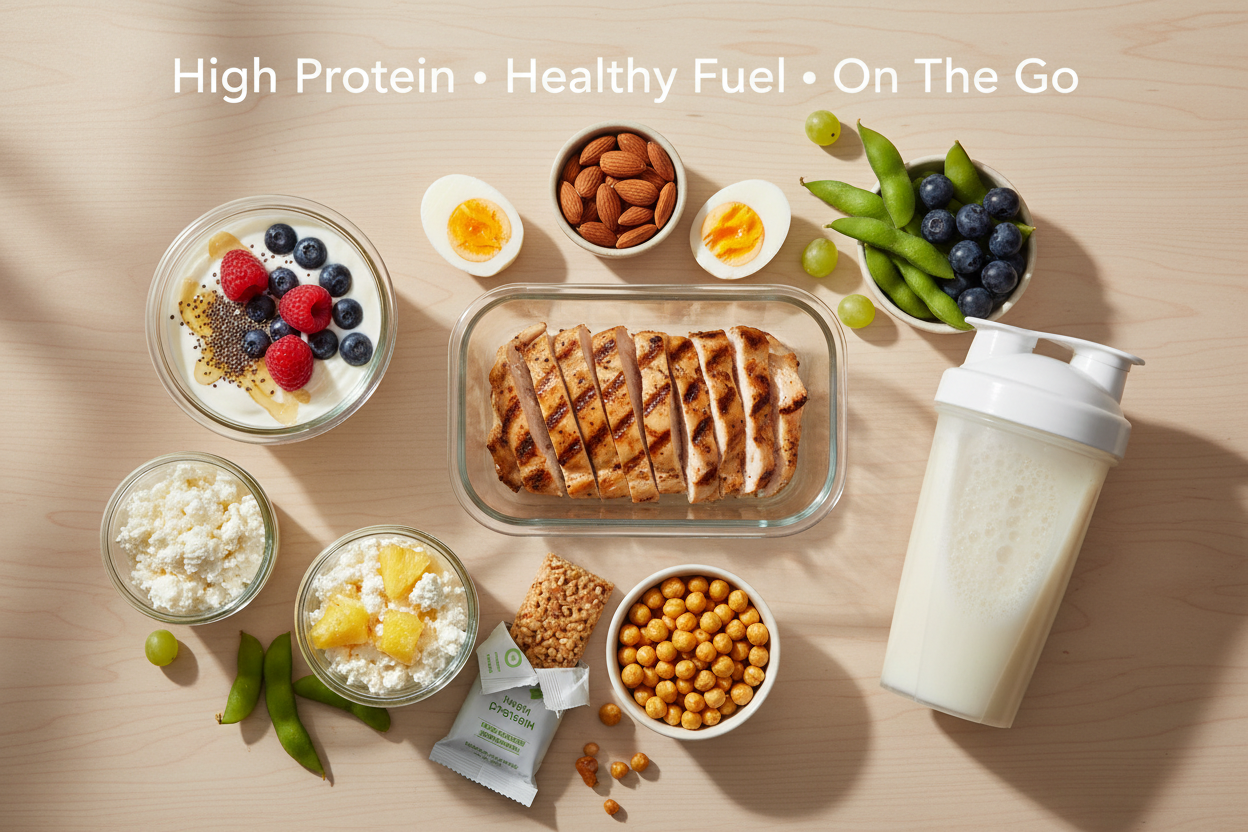
Not every snack needs a kitchen or a microwave. There are plenty of high protein picks that work well in your bag or glovebox. Here are some of my favorites that stay fresh outside the fridge for a while, making them perfect for travelers and anyone with a packed day:

  • Roasted Chickpeas: These crunchy legumes bring protein and fiber. You can buy them from the store or roast them yourself with olive oil and spices.
  • Biltong or Jerky: Look for lower sodium and natural ingredient choices. Turkey, beef, and even salmon varieties are rich in protein and easy to carry.
  • Protein Bars: Opt for brands with minimal sugar and a decent amount of fiber. These can really tide you over between meals.
  • Mixed Nuts: Almonds, pistachios, and peanuts offer protein and good fats. Go for unsalted, raw, or simply dry roasted versions to keep things healthier.
  • Pepperoni or Turkey Sticks: Dried meat sticks can be a no fuss way to get protein when you’re away from home. Check the label for ingredients and sodium.
  • Roasted Edamame: These green soybeans come in handy packs and deliver a strong protein boost (plus fiber for staying power).
  • Sunflower or Pumpkin Seeds: Rich in protein and healthy fats, these seeds are easy to toss in small containers or snack bags for any adventure.

Healthy High Protein Snacks That Need a Cooler

Sometimes, snacks taste better chilled or need to be kept cold, especially if you want whole-food options. Here are some choices that work if you’ve got a mini cooler or lunch bag with an ice pack:

  • Greek Yogurt Cups: Easy to find and available in plain or low sugar flavors. A single serving can have 10 to 18 grams of protein.
  • Hard Boiled Eggs: Make a batch on the weekend and keep them peeled in your fridge or with a cooler pack for a filling snack anytime.
  • Cottage Cheese Packs: Cottage cheese is creamy and packed with protein. You can top it with fruit or veggies if you want something sweet or savory.
  • String Cheese or Cheese Cubes: Cheese is portable and satisfying. Pair with apple slices or carrot sticks for crunch and fiber.
  • Deli Meat Roll Ups: Wrap turkey or chicken breast around pickles or veggies for a very simple protein fix that keeps well in a cooler.
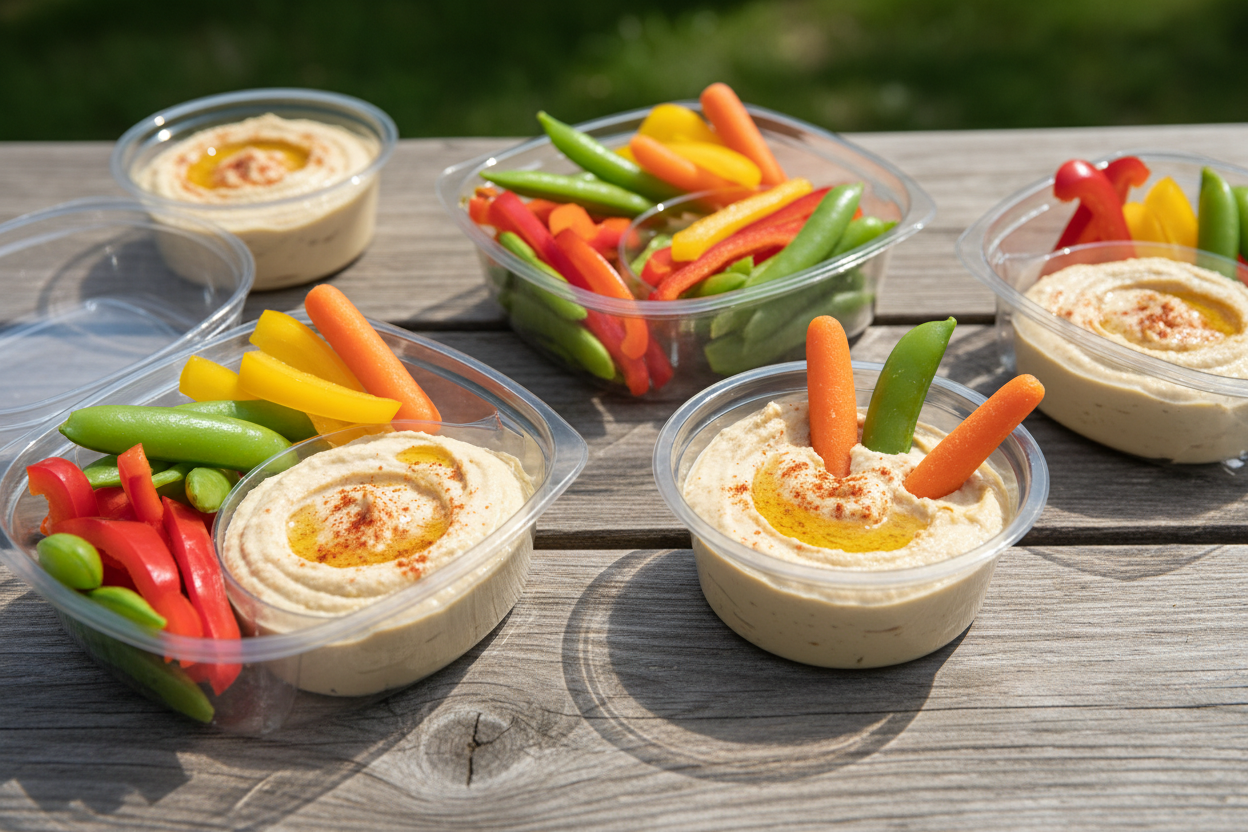
  • Hummus and Veggie Packs: Dip baby carrots, bell pepper strips, or snap peas in single serve hummus cups for extra protein and fiber.
Homemade Protein Snack Ideas for Busy Days

I’m a big fan of prepping a few snacks on Sunday night and having them ready to grab all week long. Making snacks yourself means you control the ingredients and flavor, and it helps save money too. Here are some ideas I find tasty and super portable:

  • Egg Muffin Cups: Whisk eggs with your favorite vegetables and bake in muffin tins. Add a sprinkle of cheese or diced ham for extra protein.
  • Tuna Salad Lettuce Wraps: Mix canned tuna with Greek yogurt, mustard, and chopped veggies. Scoop into sturdy lettuce leaves for a fresh, crunchy wrap.
  • Homemade No Bake Protein Balls: Combine oat flour, nut butter, protein powder, and a drizzle of honey. Roll into balls and keep in the fridge or freezer.
  • DIY Trail Mix: Mix roasted chickpeas, pumpkin seeds, sunflower seeds, and a few dried cranberries or raisins for a sweet and savory combo.
  • Chia Seed Pudding: Mix chia seeds with milk (any kind works) and let it thicken overnight. Stir in protein powder or cottage cheese for even more protein.
  • Baked Tofu Bites: Cube extra firm tofu, toss in your favorite spices, and bake until golden. These bites travel well and pack a protein punch.

Don’t forget, prepping homemade snacks can be a fun way to experiment with flavors and ingredients you enjoy. Plus, it helps keep things interesting and gives you a break from store bought packs.

What To Look For in Store Bought Protein Snacks

Store shelves are packed with “high protein” snacks these days, but not all of them are helpful. Sometimes these treats are loaded with sugars, fats, or just artificial fillers that don’t actually support your goals. Here’s what I keep in mind when I’m shopping for protein snacks:

  • Read the ingredients; shorter ingredient lists usually mean fewer additives.
  • Check the protein content. I aim for snacks with at least 7–10 grams of protein per serving.
  • Watch for hidden sugars. Sneaky sweeteners like syrups or fancy sounding sugars can leave a snack tasting more like dessert.
  • Mind the calories. If you’re snacking to lose weight, finding something that feels filling without bumping up your daily calorie limit is really important.

I go for brands I’ve enjoyed before, or I check out online reviews before trying something new. Lots of health food stores also let you sample snacks, which is a great way to see what you like before buying more.

Packing and Storing High Protein Snacks On the Go

Getting these snacks prepped and packed in advance can really help you stick to your healthy habits, especially on busy workdays or long commutes. Here are a few tips I’ve picked up for keeping grab and go protein snacks handy:

  • Small containers like bento boxes or reusable snack bags work well for portion control and are easy to keep in your bag.
  • If I’m packing dairy or eggs, a little ice pack helps keep things fresh until lunchtime.
  • Keep a backup stash of shelf stable snacks like jerky or nut bars in your purse, car, or desk drawer. This prevents impulse trips to the vending machine.
  • Mixing up your snacks from week to week can keep things fresh and help avoid snack fatigue.

High protein snacks work best when they fit your daily routine. I find that choosing satisfying, easy to reach snacks makes all the difference during a busy week.

Tips for Choosing High Protein Snacks for Weight Loss

  • Balance is key: Pair your protein snacks with a source of fiber or healthy fats for lasting energy (think nuts with fruit or yogurt with berries).
  • Keep it simple: Pick snacks that are easy to prepare and pack, so you’re not tempted to skip or grab something unplanned when you’re in a hurry.
  • Watch sodium: Some protein rich snacks, like packaged jerky or cheese, can be high in added salt. I like to alternate these with fresh or homemade options.
  • Plan your timing: For the best hunger control and blood sugar balance, enjoy high protein snacks a few hours after meals or whenever you start feeling that “afternoon slump.” This helps you keep hunger steady.
Supplement Reviews And Recommendations

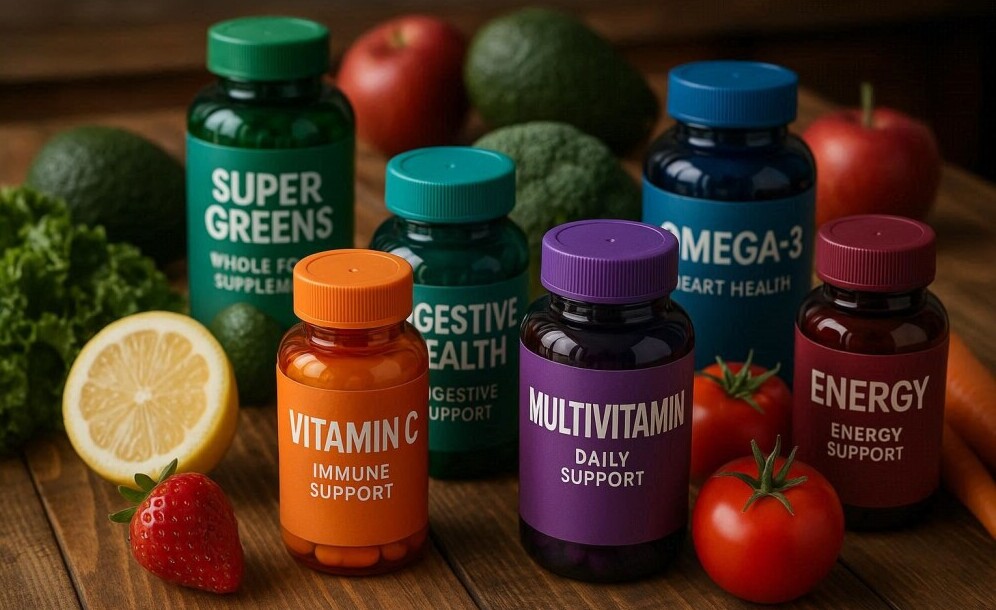
Supplement reviews and recommendations are everywhere now, and if you’re curious about adding vitamins, protein powders, or other dietary boosters to your daily routine, sorting through the choices can feel pretty overwhelming. Trying to figure out which supplements are actually worth your money, which ones deliver results, and which might just be hype? That’s where I come in. Here, you’ll find a clear breakdown of how to find trustworthy info, tips on picking supplements safely, some of my go-to recommendations, and answers to common questions.

Why Supplement Reviews Matter for Smart Choices

The supplement market has exploded lately, with new options arriving every year. Vitamins, minerals, protein powders, herbal blends—there’s something for nearly every health goal, but not every product on the shelves is equal. Learning how to spot solid reviews can help you avoid wasting time and cash, and keep your health goals on track.

Sales of dietary supplements in the U.S. alone are projected to cross $60 billion by 2025 (source). With an industry that big, you can bet marketing is strong, but research and honest feedback play huge roles in figuring out what’s actually useful. Reliable reviews from people who have tried the products (and know what to look for) are super important for making confident choices.

My recommendation

1. Vitamin D

What it does:

  • Supports bone health, calcium absorption
  • Important for immune function
  • May help mood regulation in those with low sun exposure

Evidence:
There’s good evidence that many people (especially in northern climates, during winter) are deficient. Supplementation can help reduce risk of respiratory infections, and improve bone health.

Cautions / things to watch out for:

  • It’s fat-soluble, so overdosing can lead to toxicity (e.g., hypercalcemia).
  • Best taken with a meal containing fat to improve absorption.
  • Have your blood levels checked if using high doses.

2. Omega‑3 Fatty Acids (EPA & DHA)

What it does:

  • Cardiovascular benefits (e.g. reducing triglycerides)
  • Anti‑inflammatory effects
  • Supports brain health

Evidence:
Studies show that regular intake of omega‑3s from fish or supplements is associated with reduced risk of heart disease.

Cautions:

  • Quality matters—choose a supplement tested for purity (low heavy metals, PCBs).
  • Can increase bleeding risk in high doses, especially if on anticoagulants.
  • Smell/taste issues; sometimes “fishy burps.”

3. Magnesium

What it does:

  • Supports nerve and muscle function
  • Helps regulate sleep quality
  • Involved in hundreds of enzyme reactions in the body

Evidence:
Many people’s diets are low in magnesium. Supplementation has been shown to improve sleep, reduce muscle cramps, and support metabolic health.

Cautions:

  • High doses may cause digestive upset (diarrhoea etc.).
  • Different forms (magnesium oxide vs citrate vs glycinate etc.) have different absorption / side‑effect profiles.
  • If you have kidney problems, check with a doctor before supplementing.

4. Zinc

What it does:

  • Immune system support
  • Helps with wound healing
  • Important for enzyme systems, taste/smell

Evidence:
Zinc supplementation can reduce duration of colds in some cases; helps if deficient. However, taking too much is risky. Aspire Fit+1

Cautions:

  • High doses over time can interfere with copper absorption.
  • May cause nausea or metallic taste.
  • Don’t exceed recommended daily limits unless under medical supervision.

5. Probiotics

What it does:

  • Helps maintain a healthy gut microbiome
  • May support digestive health, immunity
  • Some strains help with specific issues (IBS, antibiotic recovery etc.)

Evidence:
Good evidence for specific strains in specific conditions. But benefit depends heavily on strain, dose, product quality.

Cautions:

  • Not all probiotics are equal; many commercial products are under‑studied.
  • If immunocompromised or seriously ill, be cautious.
  • Store properly (many need refrigeration) to maintain viability.

6. Multivitamin / Multimineral Formulas

What it does:

  • Fills nutritional gaps in diet
  • Broad support: immune, energy, organ function etc.

Evidence:
Useful for people whose diets are restricted (e.g. vegans), or who have increased needs (e.g. pregnancy, older age). But for many with good diets, benefits are modest. Aspire Fit+1

Cautions:

  • Possible over‑laps: you might be doubling up on nutrients if also taking single‑nutrient supplements.
  • Some multivitamins contain unnecessary fillers or low-quality forms of minerals/vitamins.
  • Fat‑soluble vitamins (A, D, E, K) can build up in excess.

7. Creatine

What it does:

  • Supports muscle strength, power output
  • May help with brain energy/cognitive tasks
  • Good for high‑intensity training / older adults preserving muscle mass

Evidence:
Strong for athletic performance and increasing lean mass. There’s also emerging evidence for neuroprotective effects (but more research needed).

Cautions:

  • Requires adequate hydration.
  • Can cause digestive discomfort if taken in large single doses.
  • People with kidney issues should consult a doctor before use.

8. Ashwagandha

What it does:

  • Adaptogenic herb: helps the body manage stress
  • May reduce cortisol, improve sleep quality, mood

Evidence:
Some clinical trials suggest benefit in stress, anxiety, and mild insomnia. However long‑term safety and optimal doses are less well established.

Cautions:

  • Possible side effects include stomach upset, drowsiness.
  • Could interact with sedatives or thyroid medications.
  • Not always well‑regulated; quality & purity vary.

9. Turmeric / Curcumin

What it does:

  • Powerful anti‑inflammatory and antioxidant effects
  • May help joint pain, metabolic health, possibly mood

Evidence:
Curcumin has shown promise in reducing pain from arthritis, and in markers of inflammation. However, its bioavailability is low unless formulated with enhancers (e.g. piperine or specific delivery systems).

Cautions:

  • High doses could cause digestive issues, or affect liver enzymes.
  • May interact with blood thinners.
  • Be cautious of exaggerated claims.

10. Iron

What it does:

  • Essential for red blood cell production and oxygen transport
  • Important for energy, cognitive function

Evidence:
If you’re deficient (e.g. iron‑deficiency anaemia), supplementation makes a big difference. But for people with sufficient iron stores, supplementation has little benefit and could be harmful in excess.

Cautions:

  • Excess iron can be toxic; can cause gastrointestinal issues, organ damage.
  • Best taken with Vitamin C (enhances absorption), and away from calcium or caffeine (which inhibit absorption).
  • For people with haemochromatosis or other iron‑storage disorders, avoid supplementation unless prescribed.

⚠️ Overarching Considerations

  • Quality & sourcing is super important. Many supplements on the market are underdosed, contaminated, or mislabelled. The UK has stricter regulation than some places, but issues still exist.
  • Always check interactions with medications (prescription or over‑the‑counter).
  • Start with a lab test if possible so you know what you actually need.
  • Lifestyle + diet are foundational — supplements help fill gaps, not replace good food, sleep, exercise etc.

Common Supplement Questions—Answered

Here are a few FAQs I get asked often about supplements:

What’s the best way to try a supplement safely?
Answer: Start with one new supplement at a time and track how you feel over at least two weeks before adding anything new. This approach makes it easier to pinpoint what’s working (or isn’t).


How do I spot fake or unhelpful supplements?
Answer: Avoid products that don’t show their ingredient list, don’t have thirdparty testing, or make wild health claims (like instant weight loss or miracle cures).


Can I take multiple supplements at once?
Answer: Sometimes, but not always. Too many supplements at the same time can interact or overlap. Check with a doctor, especially if you take other medications or have a health condition.


Do supplements work right away?
Answer: Most take time. For example, vitamin D or magnesium often need at least a couple weeks to show noticeable effects, while caffeine has a much faster impact; patience is key.


Are all supplements safe to use for everyone?
Answer: Not always. Some supplements may not be suitable if you’re pregnant, breastfeeding, or have certain health conditions. Always check in with your healthcare provider before starting anything new, to make sure it’s a good fit for you. Also, watch for possible allergies to specific ingredients.

Trying something new?

Keep your health goals and budget front and center, and use reviews to fill in the gaps. Your best results come from thoughtfully chosen, consistently used supplements with clear benefits, along with a bit of patience to see how your body responds. And remember, the world of supplements is always changing, so keep learning and stay curious as you build a path to better health.

Organic Green Tea Extracts

Organic green tea extracts have grabbed the spotlight lately for anyone looking to boost their wellness routine. From supporting energy to well-known antioxidant properties, these plantbased supplements pack a lot of natural benefits into a small dose. With interest in clean, health-conscious living reaching new heights, organic green tea extracts are turning up everywhere—from smoothies and supplements to skincare. In this piece, I’m going to cover everything you need to know about these extracts, ways to choose a good one, how to use them safely, and what makes them a worthwhile addition to your daily routine.

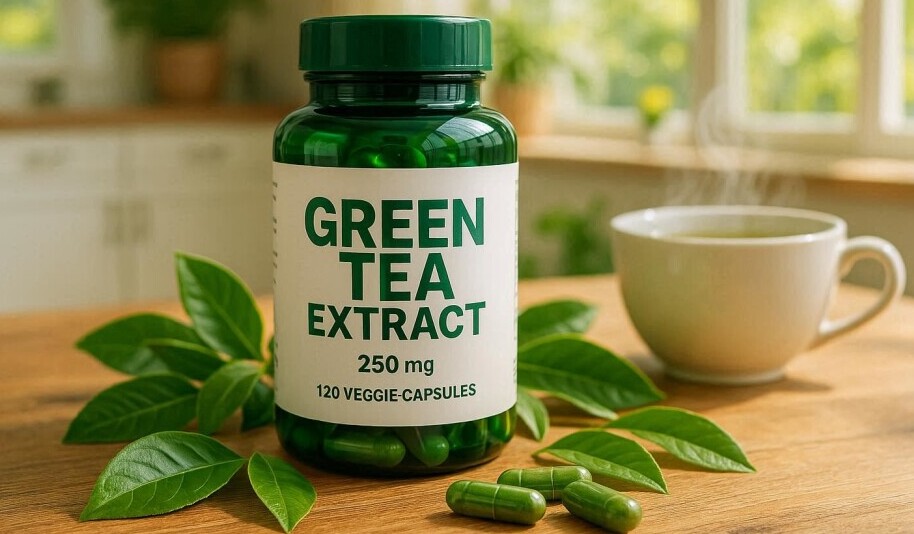
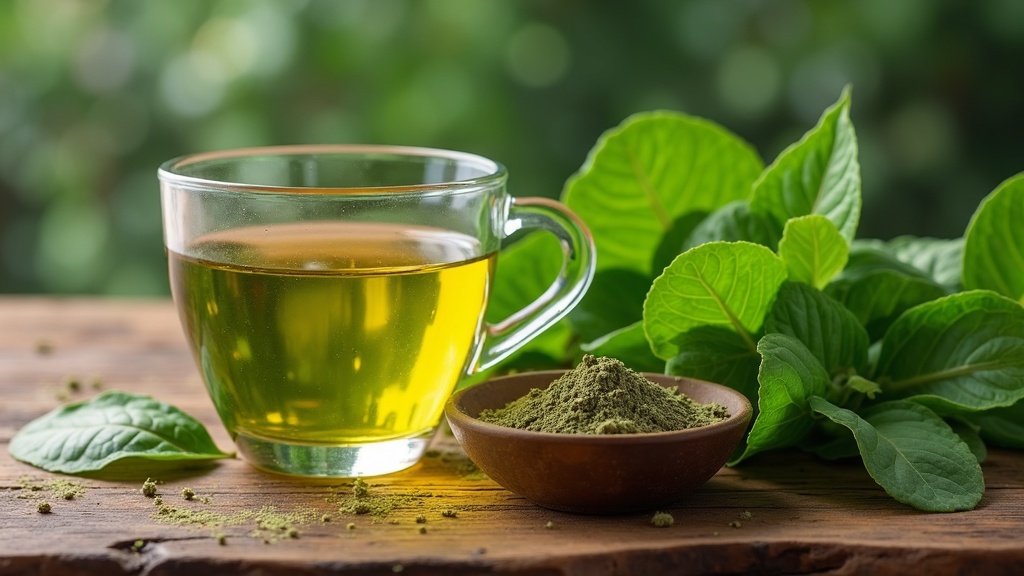
A glass cup of fresh organic green tea with vibrant green leaves and a small bowl of powdered extract on a rustic wooden table

The Basics: What Are Organic Green Tea Extracts?

Green tea has been a mainstay in Asian cultures for centuries, cherished both as a comforting drink and as a remedy rooted in tradition. When you see “green tea extract,” it refers to a concentrated substance made by soaking green tea leaves in water or alcohol, then evaporating the liquid to create a powerful powder or liquid. If it’s labeled “organic,” that means the tea leaves were cultivated without synthetic pesticides or fertilizers—so for anyone after purity, it can be an extra reassurance.

The supposed benefits of green tea come mainly from compounds called catechins, with EGCG (epigallocatechin gallate) being particularly popular. Catechins are natural antioxidants, fueling much of the research about green tea’s role in metabolic health, heart support, and skin protection. Although regular tea contains these catechins, extracts deliver a lot more—sometimes up to 50 to 70% catechin content per serving. That’s why more people go for extracts instead of brewing cup after cup throughout the day.

Why People Turn to Organic Green Tea Extracts

Adding organic green tea extracts to your routine can be handy for a lot of reasons:

  • Rich in Antioxidants: Antioxidants fight the cell damage caused by oxidative stress, which is linked to aging and common health issues. Green tea extracts have a high concentration of these beneficial molecules.
  • Supports Metabolism: Some research points to green tea extracts gently helping calorie burning—a reason they pop up frequently in “fat burner” blends.
  • Natural Energy Source: Green tea offers caffeine, just not as much as coffee. That often means a mild lift with fewer jitters.
  • Versatile: Take them as capsules, mix the powder into shakes or recipes, or find them in topical skincare for soothing effects.

Choosing organic also gives peace of mind. You’re getting a product produced with better farming standards and, hopefully, fewer contaminants.

How to Get Started with Organic Green Tea Extracts

If you’re considering green tea extracts for the first time, it can be confusing with so many options out there. Here are practical, beginner-friendly tips to help you get started safely and make the extract really work for you:

  • Choose a Reputable Brand: Look for products with clear labeling, ideally a third-party mark like USDA Organic or EU Organic. Transparent ingredient lists, as well as customer reviews, signal a good source.
  • Start Low: Extracts are much more concentrated than brewed tea. Try a lower dose—under 300 mg extract per day until you see how your body responds.
  • Decide on a Format: Capsules make dosing easy and mess-free, while powders offer flexibility for blending into drinks and foods.
  • Time It Right: Because caffeine is present, take it earlier in the day to avoid sleep issues—especially if you are sensitive.
  • Check for Added Ingredients: Some products add flavors, sweeteners, or other herbal extras. Stick to pure formulas if you want the straight benefit of green tea alone.

Following these steps will help you avoid side effects (like upset stomach or jitters), making it easier to see the benefits for yourself in the long run.

Things to Keep in Mind Before You Buy

As with any supplement, organic green tea extracts need a bit of homework before you commit to making them a regular part of your day. Here are common points to keep in mind when jumping in for the first time:

  • Dosage Awareness: Since extracts are potent, follow label guidelines and ask your healthcare provider if you’re unsure. Too much can cause digestive issues.
  • Caffeine Content: While less than coffee, extracts still provide caffeine. Choose decaf or use a smaller quantity if you are sensitive or want to dial back your daily intake.
  • Quality and Purity: Not every supplement is free from contaminants. Going with certified organic and third-party-tested products lowers your risk considerably.
  • Possible Interactions: Green tea extracts may conflict with certain medications (like blood thinners). It’s always wise to check with your doctor if you have concerns.
  • Price vs. Value: Organic versions cost a bit more, but that reflects better farming practices and thorough testing. If you’re budgeting, compare brand standards to see what fits your needs best.

Reading reviews, lab reports, and doing a bit of legwork can really help you find a supplement that’s worth your money and works as expected.

Common Challenges and How to Handle Them

  • Taste: Green tea has a natural grassy or slightly bitter taste that isn’t for everyone. Capsules bypass that, but powders can be masked with bold flavors like lemon or ginger in drinks.
  • Consistency: Like other wellness products, green tea extract’s effects become more noticeable with regular use. Give it time for best results.
  • Sensitivity: If you’re sensitive to caffeine, even a little bit can affect you. Opt for decaf or split the dose if you notice any jitters.

Advanced Uses and Fun Ideas for Organic Green Tea Extracts

Once you’ve gotten comfortable with the basics, there are loads of creative ways to work green tea extract into your daily habits or even your self-care routine:

Homemade Green Tea Lattes: Mix a precise scoop of extract powder into warmed almond or oat milk and a dash of honey—it creates a fun alternative to coffee lattes.

DIY Skincare Treatments: Add a tiny pinch of green tea extract powder to homemade facial masks. Antioxidants in green tea can soothe skin and help calm redness. Test on a small patch first, especially if your skin is sensitive.

Smoothie Booster: A measured spoon of green tea powder blends easily into fruit smoothies or protein shakes—try it with banana or vanilla for great flavor.

Breakfast Add-In: Sprinkle a little into oats or yogurt for an antioxidant boost without overpowering the taste.

Mixing things up with these ideas helps you enjoy your routine and get more value from your green tea extract purchase.

Where Organic Green Tea Extract Shines in Real Life

I’ve noticed green tea extract can have a meaningful impact in different areas of daily life, beyond just popping a capsule. Athletes sometimes use it for a gentle energy jolt before exercise. Busy workers enjoy the focused, clean feel it gives, and skin enthusiasts love it for its calming properties in creams or serums. What stands out is the flexibility of green tea extract—from grab-and-go capsules to extra TLC in a homemade mask.

  • Energy and Focus: Offers a mild, smooth energy lift that lasts, thanks to just the right amount of caffeine and antioxidants.
  • Exercise Support: Some reach for it before workouts. The antioxidants can help your body manage exercise-related strain.
  • Balanced Wellness: Adding green tea extracts can help transition away from high-caffeine or sugary energy products during your day.
  • Healthy-Looking Skin: In topicals, catechins offer soothing and brightening effects, making your skin look refreshed and vibrant.

These daily examples show exactly why organic green tea extracts have become so popular among folks who want simple, plantbased support without fillers or fake ingredients.

Frequently Asked Questions

Plenty of questions crop up about organic green tea extracts, especially if you’re thinking about giving them a try. Here are answers to some of the ones I hear a lot:

Question: How does organic green tea extract differ from drinking plain green tea?
Answer: Extracts are much more concentrated—so a small scoop or a capsule delivers as much antioxidant content as several cups of tea. Also, with organic tea, you’re getting stricter quality controls and avoiding unwanted pesticides.


Question: Is it safe to take green tea extract every day?
Answer: For most people, yes, if you stick to serving recommendations. Always check with your doctor if you’re on medication or dealing with a health condition.


Question: Are there any known side effects?
Answer: Occasionally, large amounts might irritate your stomach or leave sensitive folks feeling jittery (from caffeine). Use moderate amounts and pick decaf options if you need to.


Wrapping Up

Organic green tea extracts are packed with natural benefits, fitting smoothly into a variety of lifestyles. With the right info, a bit of quality control, and sensible use, you get genuine, plantpowered support for your routine. Whether you use them to power up your smoothie, assist recovery after a workout, or even as a skincare ingredient, they’re versatile enough for most wellness adventures.

Putting in the effort to select a reliable product gives you the best chance to see real benefits for both mind and body. Here’s to starting something good for yourself each day—one scoop, shake, or mask at a time.

Meal Prep Tips For Staying On Track With Your Diet

If you’re trying to keep your eating habits steady, meal prepping can be a real game changer. I’ve found that spending a little extra time planning my food pays off throughout the week, saving money, reducing stress, and keeping my nutrition in check. Here’s my guide on meal prep tips for staying on track with your diet, packed with practical info and real-life advice.

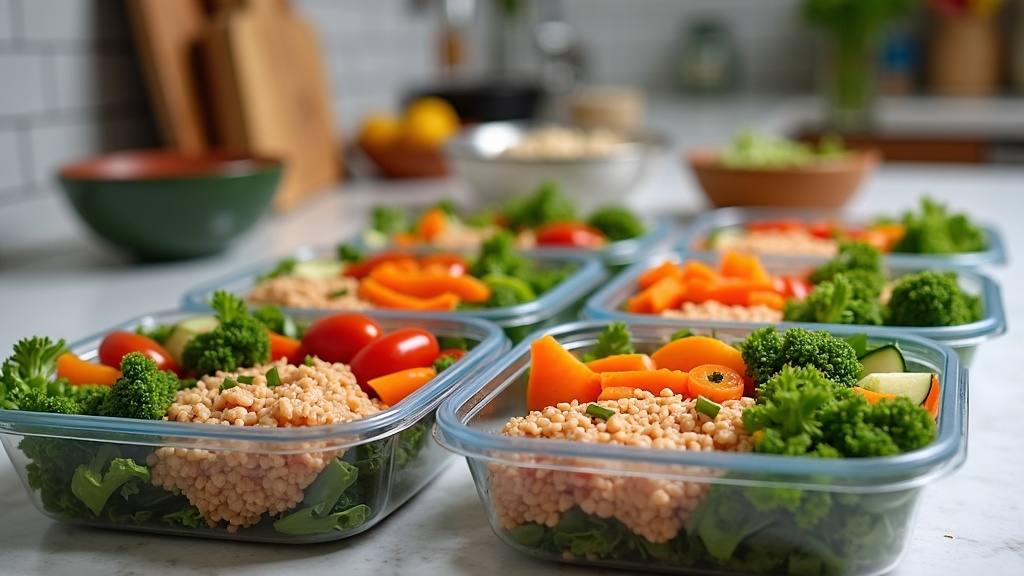
Freshly prepped healthy meal containers on a kitchen counter filled with colorful vegetables, lean protein, and grains. Bowls of ingredients and kitchen tools are visible in the background.

Why Meal Prep Makes a Difference for Your Diet

Meal prepping isn’t just about loading up containers of grilled chicken and rice. When I prep my meals ahead, I build guardrails that help me stick with my personal nutrition goals. This could mean hitting calorie targets, balancing macros, or just making sure I’m eating more vegetables—whatever my goal at the time, prepping has helped me stick to it.

It’s also about convenience. Knowing what I’m eating cuts down on random snack attacks or those last-minute unhealthy takeout orders. In fact, a 2017 study from France even showed that people who planned their meals regularly had higher odds of maintaining healthier diets and lower odds of obesity. Having a plan in place doesn’t guarantee you’ll never be tempted by junk food, but it does make skipping it much easier.

Plus, meal prepping can give a boost to your confidence in the kitchen and help you stumble upon new favorite recipes. With a stocked fridge of homemade meals, I find it less tempting to hit up the drive-thru. Consistency in meal prep means less food waste and more balanced eating overall.

How to Stay Consistent With Meal Prepping

For me, consistency comes down to habits. Getting into a groove with meal prepping isn’t always easy at first, but a few realistic strategies have helped me stick with it over time:

  • Pick a prep day: I block off an hour or two every Sunday, but any day that fits your schedule works just as well. Treat it like any other appointment.
  • Start simple: Focusing on just one or two meals, like lunches and snacks, helped me avoid getting overwhelmed. Building up as I got more comfortable made it sustainable.
  • Use repeatable recipes: I rely on meals I can double up, such as big batches of chili, roasted veggies, or grain bowls. This saves time and makes grocery shopping easier.
  • Invest in decent containers: Stackable leakproof containers keep things fresher and make packing my fridge faster.
  • Forgive missed weeks: If I skip a week, I don’t sweat it. I just start again the next week instead of quitting altogether.

Staying on track doesn’t mean being perfect. It means adjusting as life happens and sticking to routines that truly fit your lifestyle. The more you do it, the easier it’ll get to keep meal prepping as a regular part of your week.

The 4-2-3-1 Diet Plan: What Is It?

The 4-2-3-1 diet plan may not be as well-known as keto or intermittent fasting, but it’s an easy to follow framework for meal planning. Essentially, it gives you a straightforward guideline for how you split up your plate or meal components throughout your day. Here’s how it usually breaks down:

  • 4: Four servings of vegetables per day; think leafy greens, carrots, broccoli, or anything nonstarchy.
  • 2: Two servings of fruit per day; apples, berries, bananas, or whichever fresh fruits you like.
  • 3: Three servings of protein per day; chicken, fish, tofu, or other lean sources.
  • 1: One serving of whole grains per day, such as brown rice, quinoa, or oats.

This plan keeps your meals balanced and simple. If I’m ever unsure about what to add or cut back on, I use this template to get back on track. It’s practically foolproof for getting a mix of all the basics without overthinking it, and it works well whether you’re eating at home or on the go.

Meal Prepping for Weight Loss: What Works Best?

If weight loss is part of your goal, prepping meals can make a real difference. Cooking at home helps with tracking calories, controlling portions, and cutting back on hidden fats, sugars, or sauces. I’ve picked up a few tips that make my own weight loss meal prep manageable and enjoyable:

  1. Create a tailored plan: Knowing your calorie needs (there are lots of free calculators online) sets a baseline. I map out three or four basic meals and rotate them during the week.
  2. Balance nutrients: Each container gets a combo of lean protein, veggies, and a healthy carb. This keeps me full and powers me through the day.
  3. Don’t skip healthy fats: A splash of olive oil, some avocado, or a handful of nuts goes a long way and prevents hunger later.
  4. Preportion snacks: I bag my snacks ahead of time—veggie sticks, boiled eggs, or yogurt—so I’m not raiding the cookie jar at night.
  5. Mix up seasonings: Switching spices or sauces makes the same base ingredients feel brand new, so I never get bored.

Adding some variety is key, especially when you want to enjoy your food. If you like more balanced meal ideas, check out MyPlate.gov to track down more inspiration that supports healthy weight loss. You’ll stumble upon simple swaps that make your meals both tasty and nutritious.

Is Meal Prepping for 5 Days Safe?

Prepping food for several days at a time is super common, but keeping food safety in mind is smart. I usually prep for four or five days at once, and as long as I follow a few safety basics, I don’t run into problems.

  • Refrigerate promptly: I put cooked foods in the fridge within two hours of cooking. Most cooked meals last safely for three to five days if kept cold (according to the USDA).
  • Label containers: Adding the date on containers makes it easy to know what to eat first.
  • Freeze extras: If I prep for more than four or five days, I freeze some meals to keep them fresh until I need them.

Foods that hold up for five days include baked chicken, hardboiled eggs, roasted vegetables, brown rice, and bean salads. Seafood and softer veggies can spoil faster, so I eat those earlier in the week. If you’re uncertain, check guidelines on safe storage or just give a once-over for any signs of spoilage before eating.

Take Up a Notch Your Meal Prep Game: Tips for Success

Once you’re comfortable with the basics, a few tweaks can make meal prep work even better for your goals:

  • Batchcook basics: Cooking plain protein, veggies, and grains lets you mix and match though the week, making meals feel new each day.
  • Stay organized: A quick meal plan and grocery list saves time and money. Having some versatile pantry staples (canned beans, frozen veggies) means I can always throw together something if plans change.
  • Get creative with leftovers: When I get tired of regular chicken, I shred it for tacos or stir it into soup for a totally new meal.
  • Use flavor builders: Sauces, salsas, and spice mixes keep things fun. I enjoy experimenting with things like chimichurri, pesto, or just a spoonful of Greek yogurt and herbs.

Frequently Asked Questions

Question: How do I keep meals from getting soggy in the fridge?
Answer: I store dressings and sauces in separate containers and add them just before eating. Keeping salad greens or roasted veggies apart from toppings until serving time helps keep everything crisp.


Question: Are there any foods that aren’t good for meal prep?
Answer: Some foods don’t keep well. For instance, cut avocado, most fresh berries, or fried foods lose freshness quickly. I stick with staples like carrots, broccoli, beans, and most grains, which last several days without issue.


Question: Can meal prep work for vegetarians or vegans?
Answer: Absolutely. There are tons of plantbased proteins and hearty vegetables that hold up well. I prep tofu, beans, lentils, quinoa, or tempeh for solid nutrition and good variety in my meals, and swap in seasonal produce for fun.


Bonus: Factor

Don’t want to cook at all? Factor delivers fully prepared, dietitian-approved meals that are ready to heat and eat—perfect for a no-fuss, healthy lifestyle.

Planning ahead and staying on track with your meals doesn’t have to be stressful. Whether you’re trying to eat healthier, save time, or just avoid another last-minute grocery run, these meal delivery services make cooking at home easier and more enjoyable. Here are my top personal recommendations:

1. HelloFresh

One of the most popular meal kit services for a reason—HelloFresh offers easy-to-follow recipes, fresh ingredients, and flexible plans to suit any lifestyle. It’s great for beginners and busy households alike.

2. Blue Apron

Known for its chef-curated meals and quality ingredients, Blue Apron makes it fun to explore new recipes and flavors while improving your cooking skills.

3. Green Chef

Perfect for those with specific dietary needs—like keto, paleo, or plant-based—Green Chef delivers organic, nutrition-packed meals that taste amazing and support your goals.

4. Home Chef

Home Chef is all about customization. You can swap proteins, double up on portions, or choose from oven-ready meals when time is tight.

5. Sunbasket

If you’re focused on clean eating, Sunbasket is a standout. They offer organic produce, sustainable proteins, and meal options for a variety of diets including Mediterranean, gluten-free, and more.

Health Nutrition Articles

Healthy wholesome ingredients
Health Nutrition Articles: Your Guide to Smarter Eating

Learning more about nutrition has made a huge difference in how I take care of myself and my family. Sorting out fact from hype can get overwhelming, but great health nutrition articles break down the science into practical tips. Whether you want to eat better, explore the latest research, or figure out what actually goes into a balanced diet, the right info is out there and easy to use in daily life.

From keeping up with nutrition journals to making sense of the 80% rule and the seven types of nutrition, I’ve pulled together what I know works. This is a hub to help you eat with more confidence, and enjoy it, too. Keep reading for some all-in-one advice on how to step up your nutrition habits in simple, achievable ways.


Why Paying Attention to Nutrition Articles Matters

  • Up-to-date advice, no nonsense. Reliable nutrition articles sift through the latest studies, so I don’t have to worry about old or trending diet myths.
  • Clear explanations. Good articles turn scientific lingo into straightforward instructions I can actually follow at the grocery store or in my kitchen.
  • Ideas for every lifestyle. There’s practical guidance whether I’m cooking for one, feeding picky eaters, or trying plant based meals.
  • Motivation and community. Reading firsthand stories or expert Q&A helps me feel less alone when making big changes or troubleshooting. Finding community in health can give a boost to your progress.

Getting Started with Health Nutrition Articles

The best place to begin is figuring out what kind of info you’re looking for. Some folks want super detailed studies, while others just want simple meal plans or clarity about myths versus facts. Here’s how I break it down:

  • Evidence based nutrition (peer reviewed journals)
  • Meal prep tips and healthy recipes
  • Explainers on food groups and nutrients
  • Feature stories about eating in real life (travel, cultural foods, special needs)

It’s super helpful to check the author’s credentials and look for sources at the end of articles if you’re unsure about accuracy. If you’re ever in doubt, ask a nutrition professional for clarification on what you read.

Don’t forget that nutrition research is always growing fast. Even experts stay flexible as new findings come out, which is why keeping an eye out for new articles can help you keep your own knowledge fresh.


What Are the Best Nutrition Journals?

I’ve found that reading articles or summaries from top nutrition journals gives me the best science backed info. Here are a few top picks if you want to look straight to the source:

I usually look for reviews or digest versions of these journals if the full articles are too technical. Even summaries can shed light on what matters most, helping you track down the big breakthroughs without getting lost in jargon.


What is the 80% Rule in Eating?

The 80% rule is a really practical tool I use to keep myself from overeating. In simple terms, it means eating until you’re about 80% full instead of stuffing yourself. This idea, often called “Hara Hachi Bu” in Japanese culture, helps support long term health by reducing overall calorie intake. Focusing on how I feel as I eat, and stopping before I’m totally full, keeps my energy steady and makes every meal more enjoyable. It’s useful for weight management and helps prevent that uncomfortable, overstuffed feeling. Over time, this habit can even help you get a sense of true hunger and fullness in your body.


What Are the 7 Types of Nutrition?

Understanding the seven types of nutrition helps me make smarter food choices every day. These are the main nutrient groups the body needs to run smoothly:

  1. Carbohydrates. Give the body quick energy for daily activities.
  2. Proteins. Build and repair tissues, and keep muscles healthy.
  3. Fats. Store energy, help absorb vitamins, and cushion organs.
  4. Vitamins. Help the body’s processes, like immune health and vision.
  5. Minerals. Support things like bone health, nerve function, and muscle strength.
  6. Water. Absolutely necessary for every cell and body process. Staying hydrated is super important!
  7. Fiber. Supports digestion and keeps things running smoothly.

Getting a good mix of these in my meals means I feel and perform my best. Try to include foods from all these groups in your week, not just your day, to set yourself up for variety and steady energy.


What is a Healthy Diet Article?

A healthy diet article is one that explains how to eat in a way that gives your body what it needs to thrive. The most trustworthy ones describe what a balanced meal looks like, offer examples of whole foods, and suggest realistic ways to cut back on processed items. They often include suggestions for portions, meal ideas, and ways to prepare food that preserves nutrients, like steaming instead of deep frying. I always appreciate articles that include sample menus or batch cooking tips, making it easier to put advice into action. The very best articles use everyday language and focus on real results without making bold or unproven claims.

Take advantage of these articles to help you set up good shopping lists and learn new cooking tricks that can keep things fun and flavorful in your kitchen.


More Tips for Spotting Quality Nutrition Content

  • Check if the info lines up with respected organizations, like the Academy of Nutrition and Dietetics or the World Health Organization.
  • If in doubt, look for articles with references or interviews with registered dietitians.
  • Reading comments or experiences from other readers gives fresh perspective and helps confirm what’s practical.
  • Be picky about clickbait headlines or “miracle” foods. Reliable articles avoid these and focus on steady, proven steps toward better health.

Frequently Asked Questions

Q: Are nutrition articles useful for special diets?
A: Absolutely. Whether you’re vegan, gluten free, paleo, or just have food sensitivities, you’ll find focused nutrition articles with tips, product reviews, and science based suggestions. There’s a wealth of info tailored for nearly every dietary preference or need.

Q: How do I stay motivated to follow better nutrition advice?
A: Setting small goals from article tips, like swapping soda for water or adding another veggie to meals, makes results feel doable. Sharing what you learn and celebrating wins helps a lot, too. It makes a difference to keep a journal or join an online community to cheer each other on.

Q: What foods should always be on my shopping list?
A: Whole foods like leafy greens, beans, lean proteins, fruit, nuts, and whole grains are always smart basics. I like to try one new item every week for variety. This way, your meals never get boring and you stay excited about eating well.


Share Your Own Nutrition Discoveries

Keeping up with health nutrition articles helps me make smarter choices for myself and my family. If you’ve found a great tip or a resource that’s made healthy eating easier, feel free to share! There’s so much to learn from each other as we aim to eat well and feel our best every day. Jump into the world of nutrition info, check out new recipes, and don’t be afraid to experiment in your kitchen. Your next-level cool meal might be just around the corner!

Chewing Gum Hypnosis To Curb Late-night Snacking

Chewing gum hypnosis as a way to curb late night snacking is getting noticed by people trying to cut back on unnecessary calories after dinner. The whole idea combines a simple habit, chewing gum, with self hypnosis techniques that help break the automatic urge to snack when you’re not really hungry. I’ve checked out this method because nighttime cravings were always my weak spot, and I wanted a trick that wasn’t just another strict rule. Here, I’ll break down what chewing gum hypnosis is all about, how it works, and some tips for giving it a fair shot.

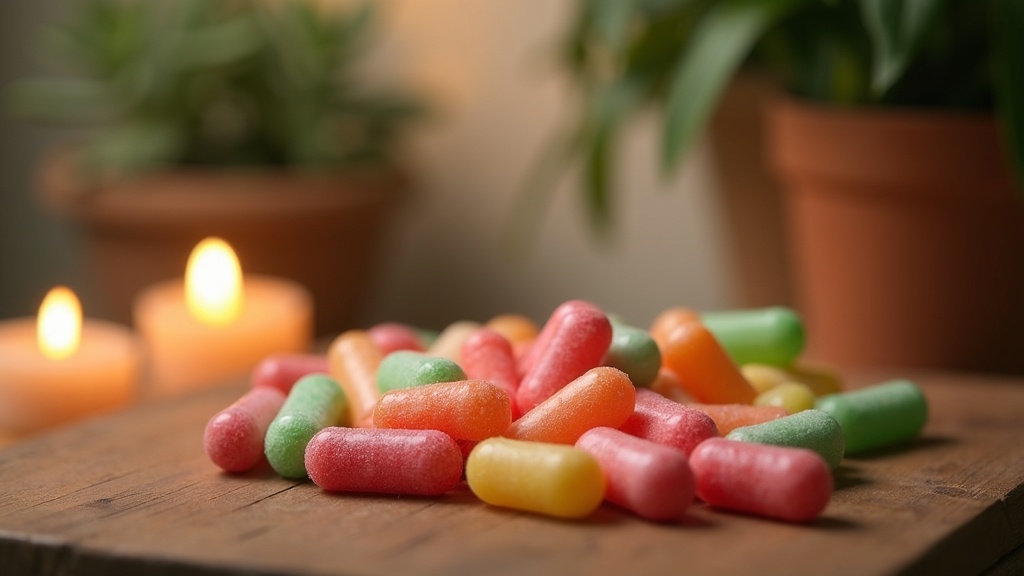
A variety of colorful chewing gums arranged neatly on a wooden table, surrounded by soft ambient lighting and soothing background objects like candles or a relaxing plant.

Why Late Night Snacking Happens and Why It’s Tough to Stop

Most late night snacking has very little to do with real hunger. For me, it was all about bored hands, stress, or just finishing a long day with some comfort. Your brain links certain activities, like watching TV or scrolling on your phone, with eating, even if your stomach isn’t asking for food.

People are pretty good at finding reasons to justify grabbing snacks at 10pm. Whether it’s “I’ve earned a treat” or simply “I can’t sleep”, the mind is creative that way. Studies from health and nutrition researchers like those at the National Institutes of Health have found that late night eating is often more about habit and emotion than actual physical need.

Changing a habit like this gets tricky because your body loves routine. Once the cycle of snacking before bed has set in, your mind jumps straight to “Where’s my snack?” once it hits a certain hour, no matter what your willpower says.

What Is Chewing Gum Hypnosis?

Chewing gum hypnosis is exactly what it sounds like—a self hypnosis trick where you chew gum at night while using mental coaching to break out of your automatic snacking loop. You use gum’s texture and flavor as a focus point, sort of like holding a fidget toy during meditation. The chewing becomes a physical anchor while you guide your thoughts toward feeling satisfied, calm, and totally uninterested in fridge raiding.

Most people who try this aren’t trained hypnotists or anything like that. It’s more like a mix of mindfulness, habit swapping, and simple self coaching—not a magic spell. I picked it up after reading about cognitive behavioral therapy and some DIY hypnosis exercises. It felt worth trying since good, sugarfree gum is way cheaper than stocking up on snacks every week.

How Chewing Gum Acts as a Snacking Stand In

Gum comes in all flavors and styles. For me, the key was to choose a brand I liked but didn’t associate with candy or desserts. When you pop in a stick of gum after dinner, your jaw gets to work, your mouth is busy, and your brain is tricked into thinking it’s doing something close to snacking. This really cuts down that “I need something in my mouth” urge.

  • Flavor distraction: With fruity or minty gum, your taste buds stay entertained, making chips or sweets less appealing.
  • Jaw movement: Chewing gives your body something repetitive to focus on, like pacing or doodling when you’re anxious.
  • Zero calories (with sugarfree options): It feels like treating yourself without adding anything your body doesn’t need late at night.

The gum’s flavor doesn’t just freshen breath; it can break up the monotony of idle moments that trigger mindless eating. I always keep a pack by the couch where those cravings like to hit hardest.

Chewing Gum Hypnosis: Step by Step Guide

Trying chewing gum hypnosis doesn’t require serious training. Here’s how I set up the process, based on what actually fit into my own routine:

  1. Pick Your Gum: Go for sugarfree, longlasting flavors you find pleasant but don’t closely associate with regular snacks.
  2. Set a Routine: After dinner or whenever cravings start, sit in your usual “snacking spot” and unwrap a piece of gum instead of reaching for food.
  3. Pause and Get Comfy: Sit back, take a few deep breaths, and put the gum in your mouth. Let chewing become steady and slow.
  4. Mentally Coach Yourself: As you chew, tell yourself things like “I can feel relaxed and satisfied with this,” or “I’m just enjoying the moment.” Repeat phrases that signal to your brain that it doesn’t need extra food.
  5. Visualize Success: I sometimes picture my snack craving as a little cloud floating away, or see myself relaxing comfortably, totally content without food.

I noticed that after even a few nights of this, reaching for gum became natural. Whenever a craving wandered in, my brain almost automatically went for gum, and the urge to snack shrank down quickly.

Potential Challenges and How to Get the Most Out of It

Even with something as simple as gum hypnosis, it’s easy to face a few roadblocks.

  • Boredom with flavors: Switching up gum regularly keeps things interesting, so the “newness” effect keeps working.
  • Impatience: At first, you might find yourself wanting both gum and snacks. I started by combining gum with a cup of herbal tea, which kept me busy for longer.
  • If cravings feel strong: Sometimes, the routine needs some extra help. I added a short walk or mixed activities right after chewing if urges persisted.

Flavor Fatigue and Gum Burnout

Just like with snacks, chewing the same gum flavor every night can get boring. I cycle between cinnamon, mint, and some fruit blends. New flavors make my brain perk up, and cravings lose their power to pull me in.

When Emotional Eating Hits Hard

If late night snacking always follows a tough day or heavy emotions, I found it helps to pair gum hypnosis with a bit of journaling or deep breathing. Sometimes, cravings are more about feeling overwhelmed or tired than wanting a treat. Recognizing this makes it easier to reach for gum and self talk instead.

Dental Health Perks

Sugarfree gum isn’t just handy for cutting down snacking; it helps with oral hygiene. Chewing increases saliva, which naturally helps clean teeth and keep your mouth fresh, as noted by the American Dental Association.

Who Should Try Chewing Gum Hypnosis?

This approach works best for people who snack out of habit, not real hunger. If you often finish dinner satisfied but still find yourself thinking about chips or cookies when winding down, gum hypnosis stands a good chance of helping.

Anyone looking to switch habits gently, rather than with harsh diets or food bans, will probably appreciate this trick. It fits easily into most routines, doesn’t take much planning, and feels a bit playful compared to other willpower heavy strategies.

Frequently Asked Questions

Does hypnosis with chewing gum work for all types of late night eating?
Chewing gum hypnosis is most effective for mindless, habitual snacking. If nighttime eating is linked to real hunger from skipping meals or medical reasons, it won’t be as helpful. A balanced meal schedule during the day helps too.


Are there risks from chewing gum every night?
Sugarfree gum is generally safe for most people, but chewing too much can cause jaw fatigue or mild stomach discomfort due to sugar alcohols like xylitol. It’s smart to stay mindful of how much you’re chewing each night.


How soon do you notice changes in late night cravings?
Most people notice cravings shrinking within a week or two of consistent practice. It can take a little longer if snacking has been a routine for years. Sticking with it during weak moments really pays off.


Using Chewing Gum Hypnosis Alongside Other Healthy Habits

Adding this tactic to a bigger routine can make results last longer. Sometimes, I make my evenings more relaxing with activities like reading, light stretching, or prepping for the next day to distract from cravings. Pairing gum hypnosis with a snack free zone in the kitchen, or a relaxing herbal tea, gives extra support.

  • Stay hydrated: Thirst sometimes hides behind cravings. Drinking water is always a good teammate with this habit.
  • Get enough rest: Fatigue ramps up the urge for quick energy in the evening, so solid sleep helps fight snack temptations naturally.

Bottom Line

Trying chewing gum hypnosis to control night snacking is a straightforward, budget friendly habit that taps into both physical and mental cues. It’s not just about chewing instead of eating; it’s about gently redirecting your habits and retraining your brain. Picking this up gave me a practical tool for feeling more in control at night, and it might be a smart addition to your own setup if late night cravings keep getting in your way.

Sticking with small changes like this adds up, so it’s worth experimenting for a week or two to see how your mind and cravings respond. If you have a favorite gum or a little nighttime routine that helps, I’d love to hear what’s worked for you!