
Cardio Exercises That Burn The Most Calories

If you’re looking to torch calories and improve your cardiovascular health, picking the right cardio exercises makes a big difference. Some workouts naturally help you burn through energy faster than others. Here’s a breakdown of the cardio moves that really ramp up calorie burn, factors that affect how many calories you use up, and practical tips to squeeze the most out of your sessions—whether you’re aiming for 500, 700, or even 1000 calories burned.

Which Cardio Exercises Burn The Most Calories?

Cardio isn’t a one size fits all thing. Some types of cardio help you burn calories faster. If your primary goal is maximum calorie burn in a shorter window, these exercises are the ones I turn to and recommend to friends:

  • Running (especially sprints or interval running): Fast paced running ups your heart rate and can burn 600 to 1000 calories per hour, depending on how hard you push.
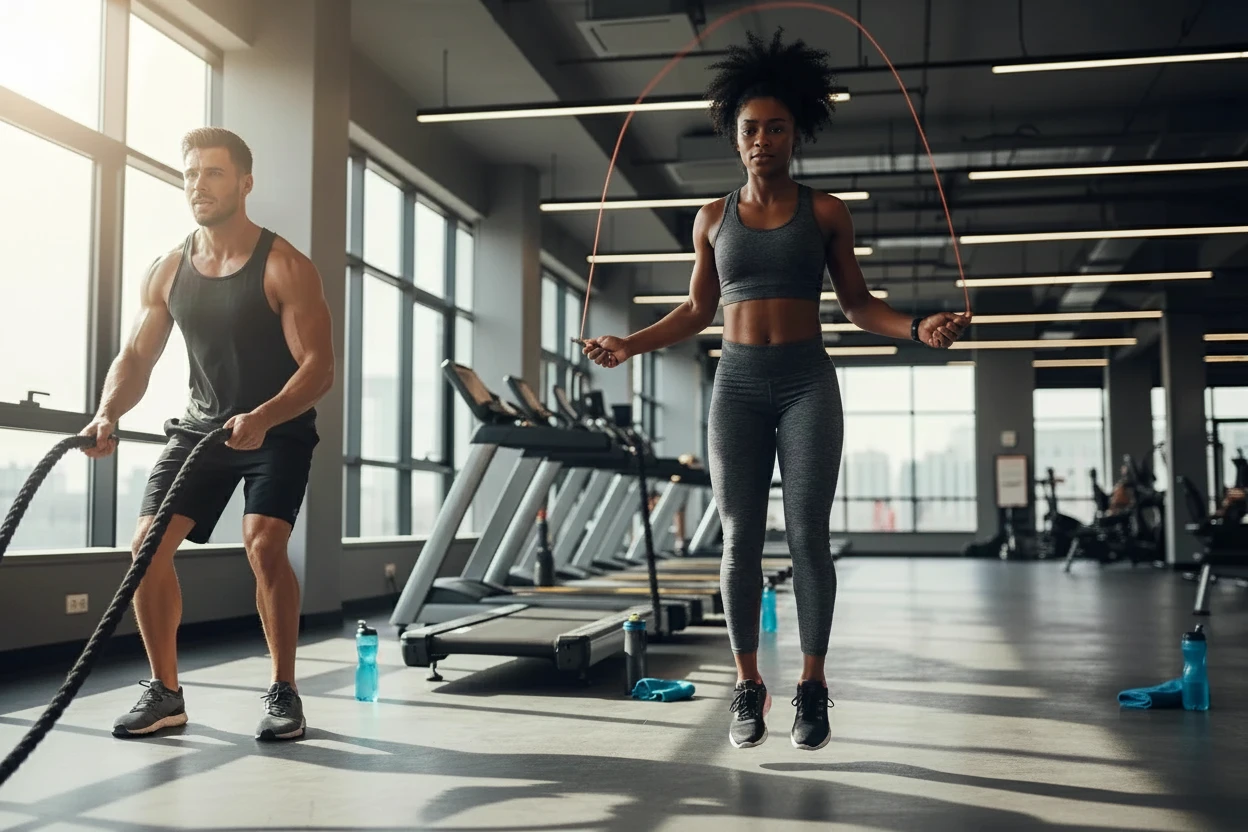
  • Jump rope: Skipping can feel old school, but it’s powerful. Think 600 to 900+ calories per hour with a good pace.
  • Rowing machine: Rowing engages both upper and lower body and usually burns around 600 to 800 calories per hour, depending on your speed and resistance.
  • Stair climber: Stepping at a good speed burns 500 to 700 calories per hour and can leave your legs burning but in the best way.
  • High intensity interval training (HIIT): Quick, intense bursts (using any cardio exercise) with short rest periods can hit calorie numbers similar to or greater than steady cardio, in a shorter amount of time.
  • Cycling (vigorous or spin classes): Pedaling hard in a spin class or on an outdoor ride can burn 500 to 900 calories per hour.
  • Swimming: Lap swimming, especially fast freestyle or butterfly, helps you burn 500 to 750 calories an hour and is also super low impact for the joints.

The actual number depends on your weight, intensity, fitness level, and even things like temperature and elevation. Heavier people or those pushing harder usually burn more per minute. If you’re new or coming back from a break, it’s a good idea to start slow and gradually increase intensity.

What Impacts How Many Calories You Burn?

Burning calories isn’t just about the exercise. It’s also shaped by factors like your body size, fitness, and the effort you’re putting in. Here are some of the main things to know:

  • Your body weight: Heavier people use more energy to move, so they tend to burn more calories per minute of the same exercise.
  • Workout intensity: Hard sprints will torch calories a lot faster than a light jog or an easy swim.
  • Duration: Naturally, longer workouts burn more. But it’s also about how hard you’re working for that whole session.
  • Fitness level: If you’re very fit, your body is more efficient, which can actually mean burning a bit less per minute. Mixing up your routine or increasing resistance can help keep calorie burn up.

I find it pretty useful to use a fitness tracker, heart rate monitor, or a reliable app that lets you plug in personal stats to estimate calorie burn. None of them are perfect, but they give you a ballpark figure to work with.

Real World Examples: Cardio Workouts for Every Goal

I’ve played around with different routines, both in the gym and outside, to see what works best for my energy and schedule. Here are quick blueprints for burning calories at different levels:

  • Beginner fat burner (45 min walk plus light jog): Alternating brisk walk and easy jog can burn up to 350 to 400 calories and is joint friendly. If you want to bump those numbers up slightly, add in some stairs or gentle hills along your path to raise your heart rate without too much stress.
  • Intermediate power session (30 min row or HIIT circuit): Push your pace every few minutes, take less rest, and you’ll be in the 400 to 600 calorie zone. Spice it up by jumping rope between intervals or adding bodyweight squats and fast step ups. The more you keep moving, the higher your calorie total climbs.
  • Advanced blast (60 min tough spin/HIIT/sprints): Full effort, mixing hard intervals and active recovery, is where you’ll get over 700 calories. For best results, rotate between machines or outdoor sprints, and throw in upper body work like pushups or medicine ball slams to use as many muscle groups as possible.

Maximising Your Cardio Calorie Burn: Hacks and Practical Tips

  • Focus on Intensity: It’s not all about time. How hard you push matters. HIIT gets more calories burned in less time.
  • Use Your Whole Body: Movements that involve legs, arms, and core at the same time—like rowing, burpees, or swimming—give you more burn per minute.
  • Switch Up Your Workouts: Your body adapts, so mixing running, cycling, stair climbing, and jump rope keeps calorie burn high and boredom low.
  • Track Progress: Using a heart rate monitor, smart watch, or even a fitness app helps you spot trends, set goals, and stay accountable.
  • Recover Properly: Hard cardio can leave you wiped. Good nutrition, rest, and hydration help you come back strong for your next session.

If you’re just getting started, build up gradually. Trying to hit sky high numbers right out of the gate might leave you too sore (or discouraged) to keep going, and it’s super important to listen to your body. Everyone’s burn rate is a little different, so patience and steady progress work best.

You can always tweak these blueprints to match your current fitness. The key is to stay consistent, push yourself a step beyond your comfort zone, and keep your workouts fun, so you stick with them.

Frequently Asked Questions

Q: What’s the best cardio for quick calorie burn?
A: HIIT, running, and jump rope are pretty tough to beat if you want fast results. Rowing and spin are also great.


Q: Is it safe to try burning 1000 calories in 30 minutes?
A: For most people, that’s a huge amount and can push your body too hard. It’s safer and more sustainable to pace yourself. Fitness pros sometimes train at that level, but it’s not for everyone.


Q: How can I track how many calories I burn?
A: Fitness trackers or smartwatches with heart rate monitoring, or reliable calculators online, will give you good estimates. Some gym machines show rough calorie burns, though accuracy varies.


Q: Do you have to run to burn a lot of calories?
A: Not at all! Cycling, rowing, swimming, intense aerobics, stair climbing, and jump rope all deliver a huge calorie burn if you work hard.

Why Cardio Calorie Burn Matters

Going for big calorie burns can help with weight loss, energy levels, and heart health. But consistency is just as important as intensity. Progress happens over weeks, not days, so building a regular routine that includes your favorite cardio makes it more likely you’ll stick with it. Mixing things up, listening to your body, and celebrating your progress all the way help you stay motivated and get the results you want. If you ever feel stuck or bored, remember there’s always a new class, different route, or fresh routine to try. Keep things light, have fun, and let your cardio adventure set the stage for bigger fitness wins down the road.
Yoga And Pilates For Weight Loss: Benefits And Poses To Try

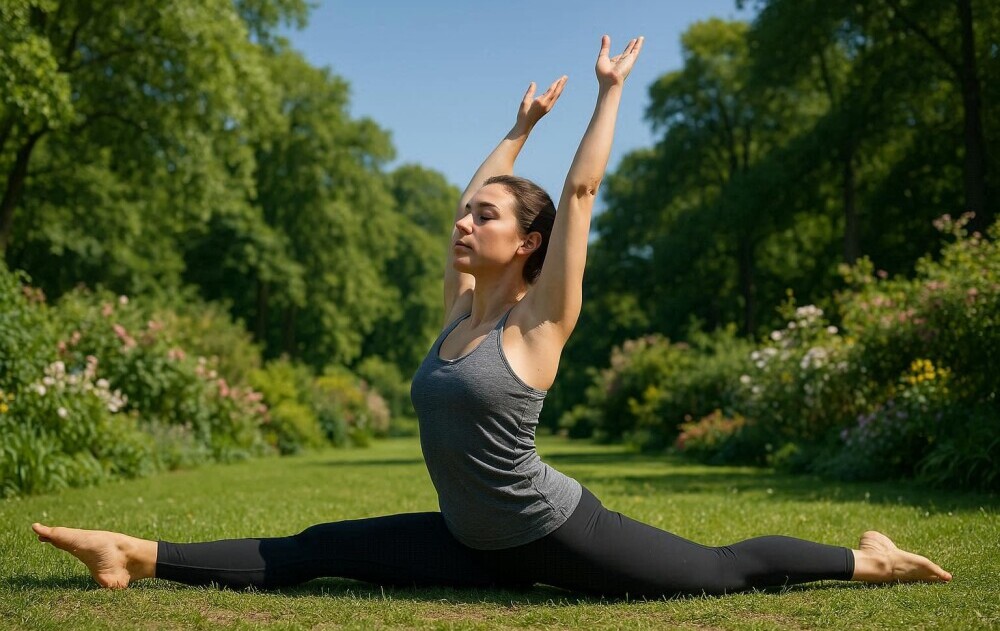
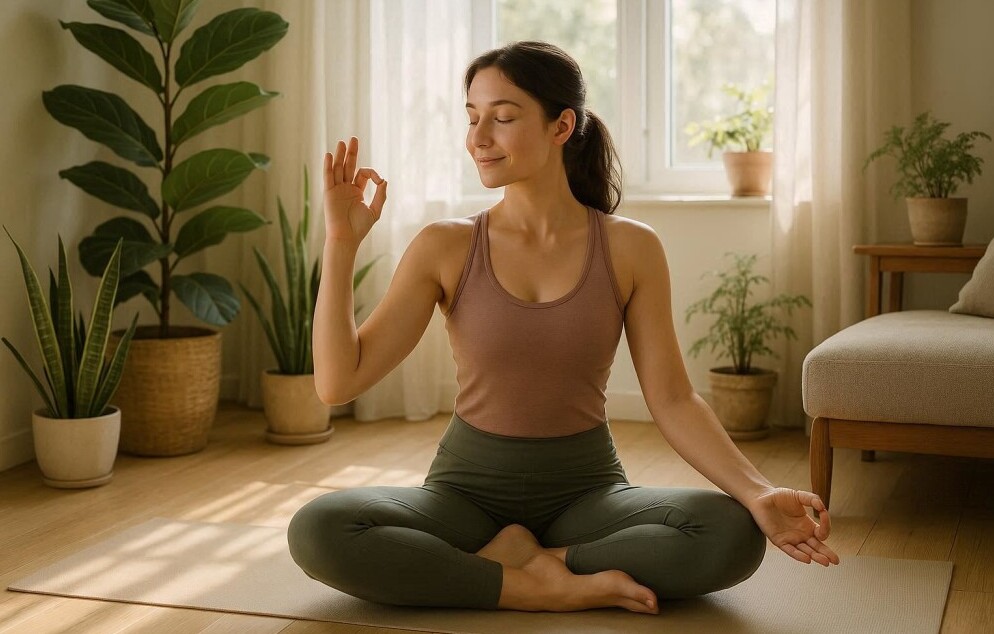
Yoga and Pilates for Weight LossIf you’ve been searching for ways to manage your weight, yoga and Pilates are two options that show up pretty often. I’ve found both can bring a lot more than just a good sweat; they boost your energy, improve how you feel about yourself, and support healthier habits overall. For many people, including some of my friends and readers, yoga and Pilates provide a balanced approach that’s both kind to your body and effective for long-term results.
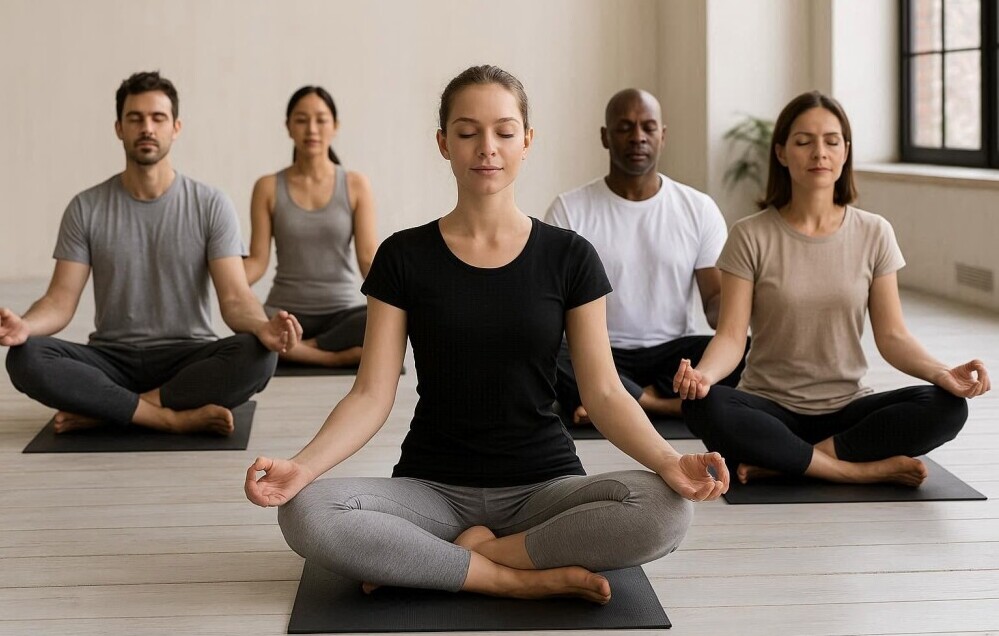
It can be easy to assume you have to go all out in the gym or run for miles to lose weight, but that’s only one way to look at fitness. Movement styles like yoga and Pilates are gentle on your joints yet can help you burn calories, build lean muscle, and keep stress levels in check. If you’re curious about how these practices support weight loss, what makes each one unique, and which poses to start with, this guide covers it all.


Why Yoga and Pilates Work for Weight Loss

Even though neither yoga nor Pilates is a typical cardio workout, both can be surprisingly effective for weight management. They work in a few different ways, each with their own perks. Here’s what I’ve noticed, both from my experience and research:

  • Calorie Burn: Many styles of yoga (like power yoga or vinyasa) and Pilates move at a steady pace, which gets your heart rate up and helps your body burn energy.
  • Building Lean Muscle: Strong, lean muscles use more energy, even when you’re resting. Both practices focus on muscle engagement, especially around the core.
  • Less Stress, Fewer Cravings: Mindful movement and focused breathing help tone down stress, something that can drive emotional eating.
  • Better Body Awareness: As you get in tune with your body, you’re more likely to make healthier food choices and notice when you’re actually hungry versus bored or stressed.

How Yoga Differs from Pilates

Even though yoga and Pilates share a few benefits, they aren’t the same thing:

  • Yoga blends movement, breathing, mindfulness, and sometimes philosophy. Sessions might be focused on stretching, balance, or strength, depending on the style.
  • Pilates is a system built around strengthening your core, stabilizing your posture, and improving your overall coordination. Mat Pilates uses your own body weight, while equipment Pilates adds resistance for even more muscle work.

You can mix both into your weekly routine or pick the one that feels best to you.


Getting Started: Setting Goals and Expectations

If your main aim is to drop pounds or simply feel better in your body, it helps to be realistic about your pace. Yoga and Pilates are both about consistency, not quick fixes. Most people notice benefits like better posture, less stiffness, and more energy after a few weeks, while body composition changes happen over a few months.

Questions to Ask Yourself:

  • What’s my main motivation; weight loss, stress relief, or flexibility?
  • How much time can I dedicate each week? (Even 15–20 minutes a day adds up!)
  • Do I enjoy group classes, YouTube videos, or quiet solo sessions at home?

Common Goals for Yoga and Pilates Newbies:

  • Increase daily movement (walk, stretch, or do a short flow on non-class days)
  • Build core strength for better posture and less back pain
  • Eat more mindfully and notice how your mood changes after each session
  • Tame stress and sleep better at night

Feeling motivated is important, but starting with small, realistic goals makes it much easier to stick with it in the long run. Your progress may not always show up on the scale right away, but keep an eye on how you feel and move over time. That’s just as meaningful and a great confidence booster.


The Best Yoga Styles for Weight Loss

Different yoga classes focus on different things, so picking a style that works with your goals is pretty important. Not all yoga burns the same number of calories, but each style has something unique to offer if you’re focused on weight management:

  • Vinyasa (Flow) Yoga: Moves quickly from pose to pose. This keeps your heart rate up and adds a cardio element.
  • Power Yoga: Usually combines fast movement with strength poses, great if you like to sweat.
  • Hot Yoga: Practiced in a heated room, this increases sweat and may help you feel more flexible. Just remember to hydrate!
  • Ashtanga Yoga: A set sequence of poses that’s pretty intense and great for building muscle and stamina.

Gentler styles like Hatha and Yin are great for flexibility and stress relief, but if you want a calorie burn, starting with vinyasa or power yoga is a good bet. Keep in mind that the right teacher or playlist can make a big difference, so be open to trying a few classes before settling into what fits you best.


Pilates Basics: Why It’s a Smart Choice for Weight Loss

Pilates doesn’t always look intense, but the muscle burn is real. Each move works your core, glutes, hips, and back, so you’re always tightening some part of your body. This helps with toning and building strength without bulking up.

  • Mat Pilates: Uses your own body weight. Most people can follow along at home with a mat and maybe a few props (like a resistance band or small ball).
  • Reformer Pilates: Involves a special machine for added resistance, often found in studios. It can be more intense and sometimes more effective for muscle definition, but mat classes work really well too.

The biggest bonus of Pilates, in my opinion, is how quickly it improves posture and core strength, which makes every other exercise (and daily life) feel easier. After just a few classes, you’ll probably spot improvements in how you sit and even how you breathe.


Poses and Moves: Yoga & Pilates Exercises for Weight Loss

Both yoga and Pilates have a handful of poses that target your core, glutes, and legs, the main muscle groups that help with calorie burn and body shaping. Here are a few that I recommend if you’re looking to get started:

Yoga Poses to Try:

  • Chair Pose (Utkatasana): Builds leg strength and warms up big muscle groups.
  • Plank Pose: Great for core strength and stability. Hold as long as you can without straining your back.
  • Warrior II (Virabhadrasana II): Tones your legs, opens your hips, and gets your blood flowing.
  • Boat Pose (Navasana): Activates your entire core and teaches balance.
  • Chaturanga: Like a yoga pushup; builds upper body and core strength fast.

Pilates Moves to Try:

  • The Hundred: Classic Pilates warmup; pumps up your circulation, works your abs, and gets your breathing on track.
  • Single Leg Stretch: Tones your abs and legs with controlled, mindful movement.
  • Criss Cross: Like a bicycle crunch for your abs, but with more focus on quality over speed.
  • Bridge: Strengthens your glutes, low back, and hamstrings.
  • Swimming: Works your back, glutes, and shoulders, really good for overall toning.

Add these to your regular routine, or pick two or three to do after a workout as a finisher. Quality is more important than speed or quantity—really pay attention to your alignment and breathing to get the most benefit. If you’re new to these moves, look for beginner-friendly tutorials online before jumping in. Safety and proper form should always come first.


How to Build a Weekly Routine That Sticks

Sticking with a new exercise habit is tough, especially if you’re used to workouts that are either too hardcore or too laid back. I always suggest keeping things simple, especially at the beginning. Here’s how I like to plan a realistic week with yoga and Pilates for weight loss:

  • Start with two or three sessions a week. Mix yoga and Pilates, or focus on one.
  • Alternate between flowbased yoga (for calorie burn) and mat Pilates (for toning and core strength).
  • Add a brisk walk or light cardio on rest days or after your sessions for extra movement.
  • Track your progress—this could be how long you hold a pose, how consistent you are, or just how you feel after workouts.

Having a set schedule and a few goto online classes or apps (like Yoga With Adriene, Blogilates, or local studio livestreams) makes it easier to stay on track, especially on busy days. Remember, it’s totally fine to adjust as you go. The important thing is to keep moving forward at your own pace.


Common Challenges and Smart Solutions

“I’m not flexible enough to do yoga or Pilates.”

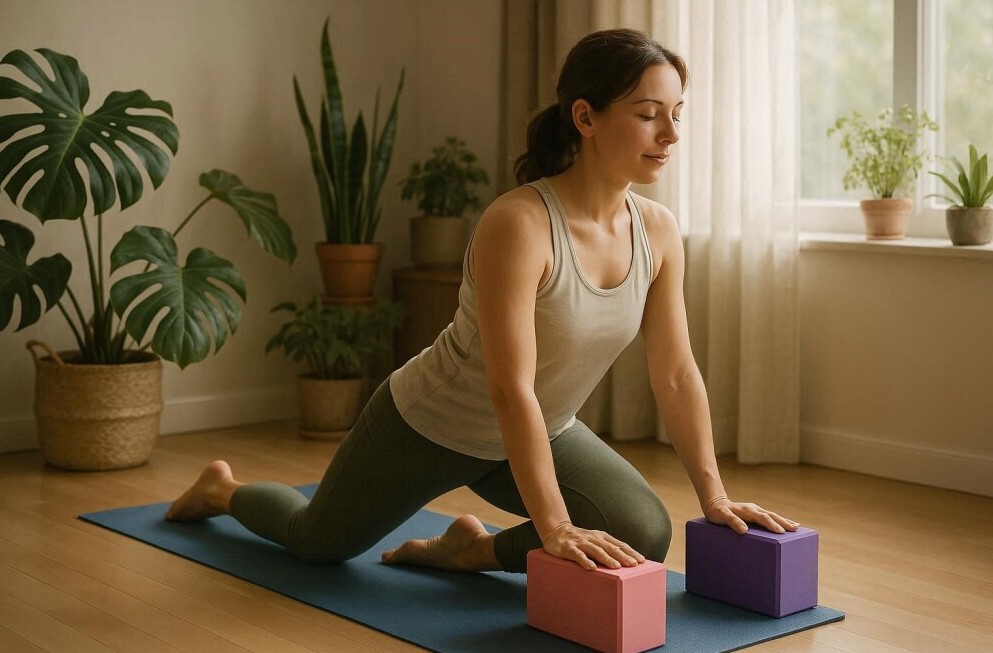
This comes up all the time! Flexibility isn’t required to start, and both yoga and Pilates help you get bendier over time. Modifications and props (like yoga blocks or rolled towels) are really handy for this.

“I don’t feel like I’m burning enough calories.”

Yoga and Pilates are lower impact, but when done consistently, with good form, they do boost your metabolism and support weight loss. If you want a bigger burn, add short bursts of cardio (like jump rope or brisk walking) or pick fasterpaced classes.

“I get bored doing the same moves.”

Mix things up by trying new classes, instructors, or challenges. Most apps and YouTube channels have themed weeks or playlists to keep things fresh. You might even ask a friend to join and keep each other motivated.


Nutritional Tips to Pair With Your Practice

Eating well goes hand in hand with regular movement. Yoga and Pilates both encourage a more mindful attitude around food, but a few tweaks can make your results show up even faster:

  • Eat mostly whole, unprocessed foods (think veggies, lean protein, whole grains).
  • Stay hydrated; muscle cramps and fatigue are often caused by not drinking enough water.
  • Focus on how meals make you feel—choose what boosts your energy instead of what slows you down.
  • Don’t overrestrict, but keep an eye on portions and aim for balanced meals.

This isn’t about dieting, but about feeling better and supporting your movement goals. Treat food as fuel, not a reward or punishment, and you’ll stumble upon improvements in both energy and mood.


Consistency: The Real Secret to Success

The people who see the most benefit from yoga and Pilates for weight loss usually aren’t the ones doing marathon sessions. They’re the ones who move a few times a week and listen to their bodies. Life happens, but showing up as often as you can (even for just 10 minutes) is super important for long-term results.

  • Commit to a minimum (like 10 minutes a day or three classes a week).
  • Celebrate the small wins (like holding plank for five extra seconds or a deeper downward dog).
  • Adjust your routine when life gets busy or you just need a break.

Remember, consistency isn’t about perfection. It’s about doing your best when you can and being gentle with yourself on off days.


Popular Questions: Yoga & Pilates for Weight Loss

How fast will I see results?

If you practice three or four times a week, you’ll likely notice increased energy, better posture, and less stress in two to three weeks. Visible changes in muscle tone and weight take a bit longer; usually one to three months of steady effort and a balanced diet.

Is it okay to combine both yoga and Pilates in a week?

Definitely. They complement each other really well and help prevent plateaus or boredom. Mixing them up keeps things interesting and engages more muscle groups.

Can I use yoga and Pilates as my only workouts?

Yes, especially if you combine them with walking or light cardio. For bigger weightloss goals, adding in some higher intensity activity can help, but plenty of people do well with just these two practices and healthy eating.


What You Can Try Next

If you’re ready to get started, here are a few tips that have helped me and a lot of others stick with it:

  1. Pick your favorite yoga pose or Pilates move and do it every morning—even if it’s just for a minute or two.
  2. Schedule your sessions in your calendar, just like you would a work meeting or appointment.
  3. Explore a few online classes, challenge programs, or local studios to find what you actually enjoy.

Whether you’re looking for weight loss, stress relief, or a new way to feel stronger in your body, yoga and Pilates are pretty handy options. Have you tried either or both? Feel free to share your experiences or any questions below! Taking action, even the smallest step, is the key. If you stick with it, you might be surprised where your adventure with yoga and Pilates takes you.

How To Use Resistance Bands For Fat Burning

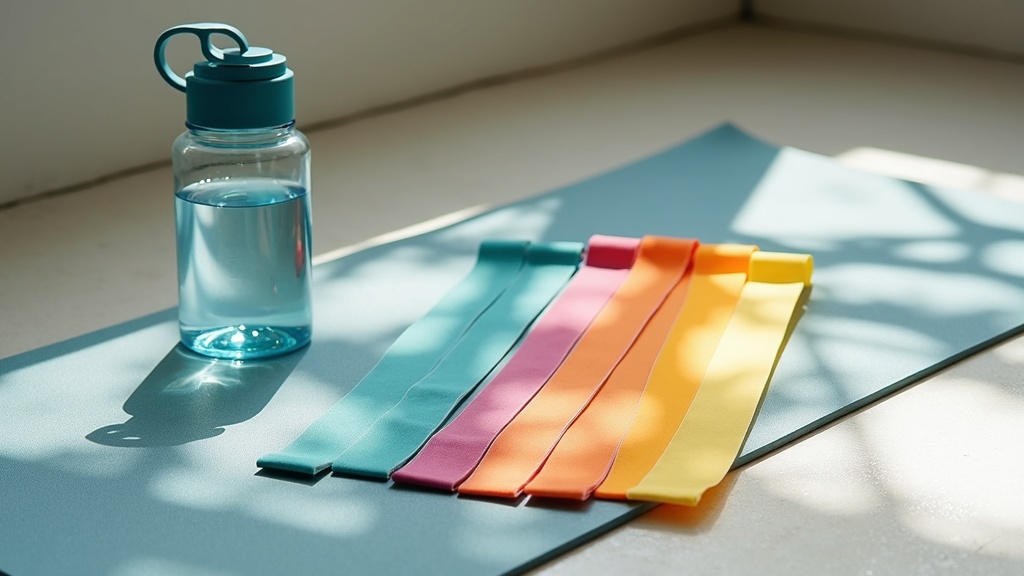
colorful resistance bands on a yoga mat with a water bottle nearbyResistance bands are one of those simple tools that can pack a big punch for fat burning. I really like how versatile they are, whether you’re at home, outside, or even traveling, you can easily squeeze in a workout with just a band or two. If you’re looking to boost your fat-burning workout without needing tons of gear, resistance bands genuinely come through.

Many folks think bands won’t really help with fat loss since they’re small or lightweight, but the truth is they can help build lean muscle, up your calorie burn, and keep things interesting. The unique tension they provide also helps activate more muscle groups with each movement. I’ll break down how to use them well, show you a bunch of practical exercises, and answer some common questions, so you can get rolling right away (no gym membership required).


Why Resistance Bands Are Great For Fat Burning

At first glance, resistance bands might not seem like a popular tool for torching fat, but they’ve got some great benefits you won’t want to miss:

  • Full body engagement: Bands help you activate major muscle groups with every rep, meaning you burn more calories in less time.
  • Constant tension: Unlike some free weight moves, bands keep your muscles working throughout the full range of motion. That’s excellent for building muscle and burning more calories.
  • Great for HIIT: You can add them to interval training for higher intensity, which bumps up your post-workout calorie burn and keeps your sessions challenging.
  • Joint friendly: Bands are easy on your joints, making them good for all levels, including folks with existing aches and pains.
  • Portable and affordable: Buy a set or two, and you’re covered for home, office, park, or vacation workouts.

How To Choose The Right Resistance Band

Picking the right band matters if you want your workouts to feel challenging but doable. Here are some tips that helped me find the best fit:

  • Material: Most bands are made from latex or fabric. Latex bands are stretchy and light; fabric bands don’t roll or snap as easily, especially during lower body moves.
  • Resistance level: Get a set with multiple strengths (light, medium, heavy). Lighter bands are usually good for arms or shoulders, heavier ones for legs, glutes, or back.
  • Length: Short loop bands work for glutes and legs; long straight bands are great for whole body moves and offer even more versatility.
  • Handles or not? Some bands come with handles for extra grip, while others are simple loops or strips. Handles can make pulling exercises easier, but aren’t absolutely necessary.

If you’re just starting out, grab a variety pack. It’s an all-in-one way to check out different bands and see which ones you like best for various exercises. You might find you prefer fabric for legs and latex for the upper body or vice versa. Over time, your preferences and needs might evolve as you get stronger or want more challenge.


Tips For Getting Started With Resistance Band Fat Burning Workouts

Before you get into the exercises, I always like to double-check my form. Good form keeps you safe and leads to better fat-burning results. Here are a few pointers I follow to make every session count:

  • Start with a light warm-up, using brisk walking, jogging in place, or dynamic stretches to get blood flowing.
  • Anchor your band securely, whether it’s under your foot, behind a door, or around a sturdy piece of furniture. This keeps resistance even through your moves.
  • Control every movement—don’t let momentum do the work. Focus on both the stretch and release for max muscle activation.
  • Mix and match resistance strengths as you progress and your muscles adapt. Using heavier bands for the lower body and lighter for the upper can help keep challenges realistic.
  • Keep rest times short, around 30 seconds between sets, to keep your heart rate up and calorie burn going.

If this is your first time using bands, take your time. Focus on feeling the muscle work, watch yourself in a mirror if you can, and adjust your grip or stance as needed. Over time, getting stronger and more comfortable means you’ll be adding reps, sets, or even new exercises to the mix.


Try These Resistance Band Fat Burning Exercises

Here’s a breakdown of solid band exercises you can work into your fat-burning routine, grouped by body part. I usually cycle through these in circuits or intervals for a great whole body burn. Feel free to mix, match, and add on as you see fit!

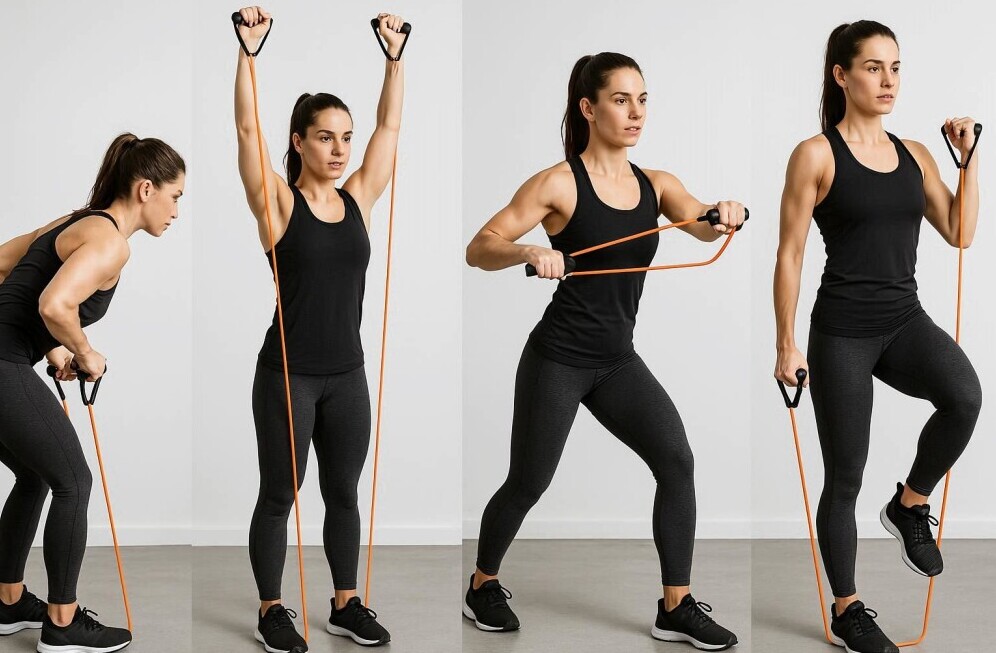
Back: Resistance Band Rows

  • Anchor the band under your feet or around a sturdy pole, then hold the ends.
  • Bend your knees slightly, hinge at your hips, and pull the band toward your waist, squeezing your shoulder blades.
  • Slowly return to the start position. Go for 12-15 reps and keep your core engaged the whole time.

Shoulders: Overhead Shoulder Press

  • Stand on the band with feet at shoulder width. Grip the ends at shoulder height.
  • Press the band overhead until your arms are straight but not completely locked out.
  • Lower with control. Aim for 10-12 reps each set for nice muscle fatigue.

Chest: Band Push Ups

  • Lay the band across your back, gripping an end in each hand.
  • Get into a push up position. Lower your chest, then press up against the band’s resistance.
  • Do 8-15 reps based on your ability. The band adds challenge and builds strength.

Arms: Bicep Curls and Tricep Extensions

Bicep Curl:

  • Stand on the band, arms at your sides. Grip the ends firmly.
  • Keeping elbows close, curl the band up, then lower slowly.
  • Do 12-15 slow, controlled reps. Squeeze at the top for extra burn.

Tricep Extension:

  • Hold one end of the band behind your back, the other end overhead with your other hand.
  • Extend your top arm upward, feeling the tension in the triceps, then lower in control.
  • Complete 10-12 reps for each arm.

Legs: Band Squats and Monster Walks

Squats:

  • Stand on the band with your feet at shoulder width. Hold the ends at shoulder height.
  • Squat down, keeping your chest tall and knees driving outward against the band’s resistance.
  • Press back up and repeat for 12-20 reps per set.

Monster Walks:

  • Place a loop band above your knees or around your thighs.
  • With knees bent, step side to side, keeping tension on the band throughout.
  • Take 10-20 steps in each direction. This fires up hip and glute muscles more than regular walking.

If you’re looking for even more challenge, combine exercises into quick circuits. For example, do one set each of rows, presses, squats, and monster walks—then go back through twice more with as little rest as possible.


Troubleshooting & Common Questions

How many times per week should I use resistance bands for fat loss?

Getting in three to five sessions weekly seems to hit the sweet spot for most people. For best results, mix resistance band workouts with cardio, like brisk walking or cycling, to boost your calorie burn and work your heart.

How long should my resistance band workouts be?

You don’t need to spend hours working out. Anywhere from 20 to 40 minutes works well, especially if you keep up the intensity and take short rests. If you’re short on time, power through with supersets or quick circuits.

What if my band keeps rolling or snapping?

If you’re tired of latex bands rolling up, especially during lower body moves, try switching to fabric bands. Always check bands for small tears before use. Toss any that look worn to avoid accidents and keep your workouts safe.

Can resistance bands actually build muscle?

Absolutely! Bands create enough muscle tension to boost lean muscle the same way free weights do when used regularly. If you keep pushing for more reps or stronger bands, you’ll get results.


Level Up Your Fat Burning Routine

Resistance bands are a truly practical way to take your fat loss plan up a notch. By focusing on all the main muscle groups, working in circuits or intervals, and picking bands that offer enough challenge without risking your form, you can track real progress.

Quick Tips:

  1. Do 2-3 sets of each exercise, with minimal rest, for higher calorie burn.
  2. Switch up band types and exercises every week to keep your body guessing and avoid plateaus.
  3. Keep a set of bands handy at home, work, or in your gym bag—they’re lightweight and take up little space. This makes squeezing in a workout much easier, even on hectic days.

Pick a few moves from each section, and try out a new circuit today. You’ll notice stronger muscles, more stamina, and a boost of energy before too long. With a bit of consistency and some creativity, resistance bands really can take your workouts up a notch and set you on the path to leaner, healthier living.

Home Fitness Challenges For Motivation

Staying motivated to work out at home can feel like a bit of a challenge all on its own. Distractions sneak up easily, and that initial burst of inspiration doesn’t always stick around. That’s where home fitness challenges step in; they create structure and keep things interesting, helping you stay committed to your health goals. I’m sharing honestly here because I (Sophie) have tried everything—from fitness apps to sticky-note reminders—and nothing has kept me going quite like these challenge-based routines.

colorful arrangement of workout equipment, like a yoga mat, resistance bands, water bottle, and kettlebell on a clean floor, in bright natural light

Why Home Fitness Challenges Work So Well

Home fitness challenges bring a sense of purpose to every workout session, even if you’ve only got a small space to move around in. They help give workouts a clear goal, a bit of a deadline, and much needed variation so you don’t get bored. That’s super important for motivation, especially if you’re not someone who naturally loves to sweat for fun.

The best part is that these challenges aren’t just for advanced fitness folks. They’re perfect for anyone looking for inspiration, whether you’re brand new to workout routines or you’ve cycled through HIIT videos more times than you can count. Having a clear schedule, seeing small wins, and checking daily tasks off a list gives that “just finished something awesome” feeling, even at home.

Choosing the Right Fitness Challenge For You

Jumping into a new fitness challenge is a big step for motivation, but picking the right one makes a huge difference. There are all sorts of options that can fit different lifestyles and fitness backgrounds, ranging from short daily routines to monthlong programs.

  • 30Day Challenges: These are probably the most popular because they’re short enough to stay interesting but long enough to see progress. Think: squat or plank challenges, yoga every day, or 10000 steps a day.
  • Mini Weekly Challenges: Weekly challenges switch things up so you don’t get overwhelmed or bored. A “pushup week,” a “no processed sugar week,” or step goals are some options that give your body (and your schedule) a fresh spin.
  • Program Based Challenges: Some people prefer guided routines where each week focuses on a different part of fitness, maybe endurance, strength, or flexibility, with rest days built in. This keeps things balanced and adds some structure.

When I first started, I’d pick challenges that worked with what I already had at home and only took 1520 minutes a day. That lowered the pressure quite a bit and made consistency more realistic, rather than jumping into intense training right away.

How to Start Your Own Home Fitness Challenge

Building a home fitness challenge is easier than it sounds, and there’s no need for fancy gear or a bunch of space. I’ve found that setting some practical guidelines ahead of time always helps me stick with it.

  1. Pick a Specific Goal: Choose a focus area, maybe core strength, flexibility, or cardio. Keeping it focused makes tracking progress simple.
  2. Choose the Duration: Decide if you want a quick twoweek boost or a full 30day stretch. Shorter is less intimidating, longer is better for habit building.
  3. Set Your Routine: Plot out what you’ll do each day (or most days) of your challenge. For example, increase your plank time by five seconds daily or add an extra set of reps to your circuit every week.
  4. Include Rest Days: Bodies need downtime to recover. Planning rest days keeps things sustainable and helps avoid burnout.
  5. Track Progress: Charts, apps, or even marking Xs on a calendar work wonders for visual motivation. Seeing your streak adds extra drive.

A friend of mine and I did a “30 Days of Movement” challenge, just 10–20 minutes of movement each day. We texted each other a quick update every night. Sharing progress with someone else adds extra accountability, making it so much harder to skip a day!

Popular Home Fitness Challenges Worth Trying

If you’re looking for challenge ideas, here are some favorites that almost anyone can try, often without buying anything extra:

  • Squat Challenge: Start with 20 squats, adding a few more each day. Works for all fitness levels and doesn’t need any equipment.
  • Plank Challenge: Start at 10–20 seconds and slowly build up to 3 or even 5 minutes. Great for core strength and stability.
  • Yoga Challenge: Practice a different yoga flow each day, even if it’s just a short guided video. This works well for overall body balance and flexibility.
  • Daily Step Challenge: Track steps on a smartwatch or phone; set a goal (like 6000 or 10000 steps per day) and gradually increase over a few weeks.
  • Bodyweight Circuit Challenge: Pick a mix of moves (think pushups, lunges, mountain climbers, and burpees), set a rep number, and complete the list every day, either timed or for a certain number of rounds.

You can mix and match these for variety, or invite friends and family to join in for an extra boost of fun.

Staying Motivated When the Challenge Gets Tough

Some days, your energy just isn’t where you want it to be. Whenever I hit these ruts, I turn to a couple of practical strategies for keeping myself on track:

  • Break It Down: If the full workout feels daunting, just promise yourself five minutes. Chances are, you’ll finish more once you’ve started.
  • Celebrate Small Wins: Track your streak, reward yourself with something enjoyable (maybe a movie night), or reflect on how much easier routines feel after a few days or weeks.
  • Switch Up the Playlist: Fresh music or a new podcast can really breathe new energy into your space.
  • Visual Reminders: Leave your mat out, keep water nearby, or write reminders and encouraging notes around your room. These little cues keep your mind in workout mode, even when you don’t totally feel like it.

I’ve even printed out a basic grid calendar and colored in each day I finished a workout. Low tech, but it’s surprisingly satisfying to see the streak build up.

Potential Challenges and How to Work Through Them

Creating a fitness routine at home comes with its own unique set of challenges. Here are a few that I’ve run into, and some tips I’ve picked up along the way:

  • Motivation Slips: Energy dips are normal. Having a structured challenge makes it easier to push through, since you know what’s coming and have a reason to show up each day.
  • Space and Equipment Limits: Not everyone has a full gym setup at home (me included!), but many challenges are bodyweight only. Get creative using furniture for stepups or a towel for sliders.
  • Time Crunch: When life gets busy, even short, focused routines, like 10 minutes in the morning, keep momentum going. Some movement beats none!
  • Tracking Consistency: Lose your notebook? Try a stickynote, a calendar app, or any visual tracker that’s easy to update.

Common Problems and Practical Solutions

Getting Bored

Routine can get stale fast. Mix up the order of exercises, check out a YouTube challenge for a change, or invite a buddy to join in. Even swapping rooms in your home helps if you feel stuck.

Overdoing It

Rest days really matter for injury prevention and motivation. If you start feeling run down, swap a workout day for stretching or light yoga instead. You’re still participating in the challenge without pushing too hard.

No Visible Progress

Physical changes can take time, and it’s easy to get frustrated. Celebrate nonscale wins too: better energy, improved sleep, or a new PR in plank time all count.

Fitting It In

If your days are packed, break workouts into smaller chunks, five minutes here, five there. Sometimes that’s the best way to hit your goals!

No one gets it perfect every time. I’ve dropped off on challenges and picked them back up later, and it’s totally normal. Having a flexible approach keeps the pressure off and makes it easier to get back on track after a slip.

Leveling Up: Extra Tips for Making Challenges Work Long-Term

Once a basic challenge feels pretty comfortable, there are ways to keep things fun and effective as you build a steady workout habit:

  • Set MicroChallenges: Aim for a new personal best by the end of the month, or see how many reps you can add to your favorite move.
  • Mix in New Elements: Swap a cardio day for a stretch or mobility day. Adding recoveryfocused sessions keeps your body happy and your motivation steady.
  • Share Progress: Connect with others doing similar challenges on social media or text updates to a friend. Seeing others stick with it makes you want to do the same.
  • Combine Challenges: Pair a movement challenge with something lifestylerelated, like drinking more water or getting to bed earlier. The small changes really add up.

Switching things up and finding new ways to celebrate progress helps avoid boredom and keeps the fitness habit strong even after the challenge ends.

Frequently Asked Questions

Here are some questions I’ve heard from friends who are new to home fitness challenges:

Question: How do I pick a challenge if my schedule changes a lot?
Answer: Go for flexibility; choose challenges that let you do short workouts or split routines. Swapping workout times from morning to night is completely fine.


Question: What if I miss a day or two?
Answer: Just start again the next day. Missing days is common, and getting back on track is more important than aiming for a perfect streak.


Question: Can I make my own fitness challenge?
Answer: Yes! List a few moves you like, set a daily or weekly goal, and track your progress however you find most satisfying. It’s more motivating when you create something that fits your own needs.


Keep Motivation High With Home Fitness Challenges

Home fitness challenges offer structure, motivation, and some real variety where it matters most. They can turn the basic routine of working out alone at home into something enjoyable and genuinely rewarding. Consistency is what gets results, and a wellplanned challenge gives you that daily reason to show up for yourself, even on the tricky days.

Home Fitness Exercises Without Equipment

Illustration of home fitness workout equipment-free

Home Fitness Exercises FAQ: Getting Fit Without Equipment

I get lots of questions from people who want to kickstart their fitness journey at home but don’t have weights or fancy machines. That’s why I (Sophie) love sharing my knowledge to help you see that you can absolutely crush your fitness goals with just a bit of space and determination. Check out the FAQs and tips below to discover how easy—and actually pretty fun—home workouts can be, even with zero equipment!


General Home Fitness Questions

Can you get fit at home without equipment?

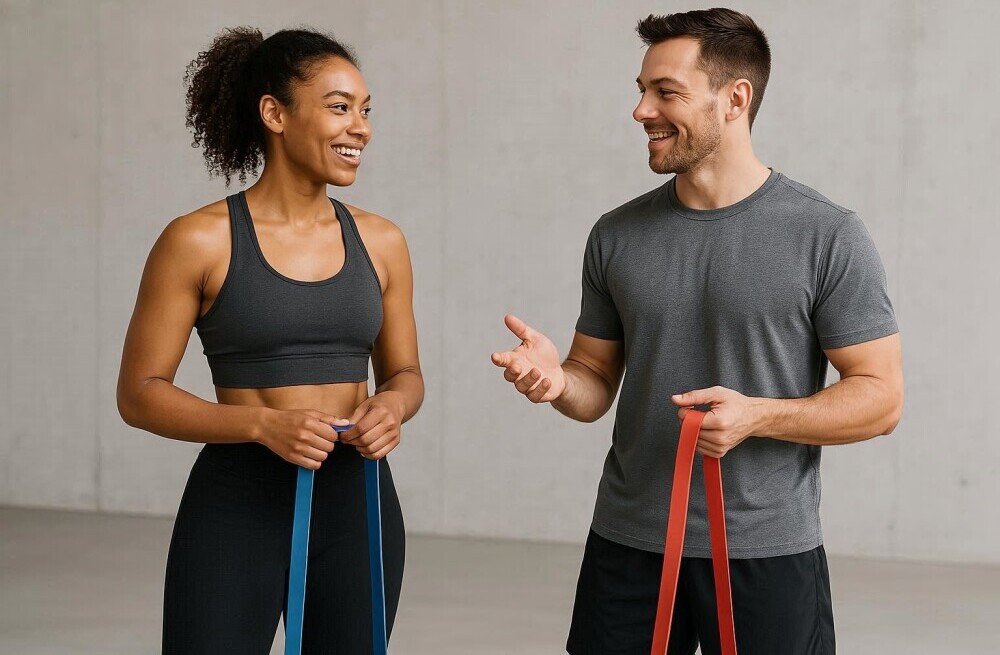
Couple working out home

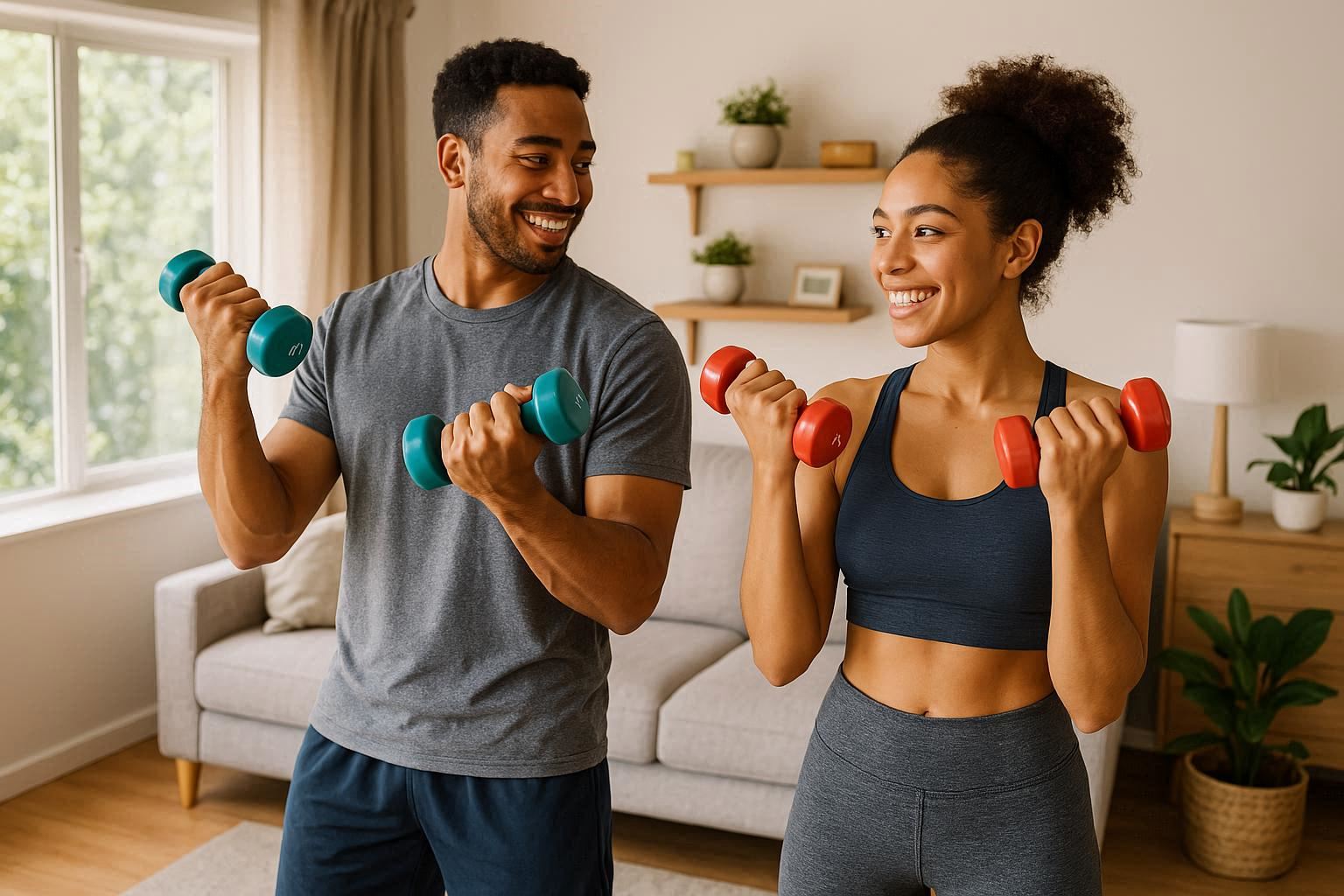
Yes, you can definitely get in shape at home using just your bodyweight. I’ve personally seen people make major progress by sticking with bodyweight workouts. Think pushups, squats, planks, and even jumping jacks. These types of moves strengthen muscles, improve your cardio, and boost flexibility. You don’t need anything but a little room to move and reliable motivation. Consistency beats fancy gear every time.

What is the 3-3-3 rule for workout?

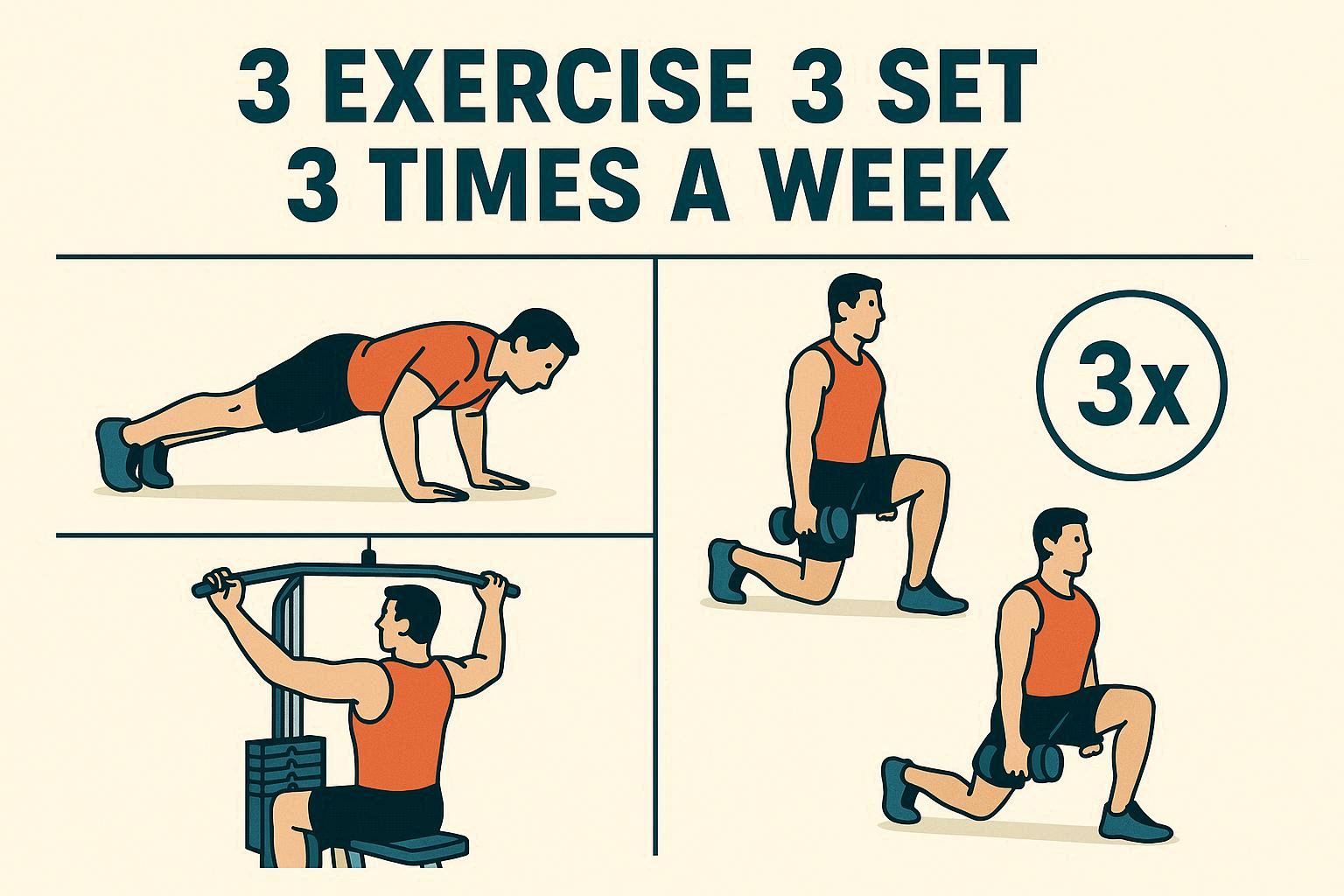
3-3-3 Rule

The “3-3-3 rule” is a pretty simple framework that helps make exercise stick. Here’s how it works: three sets, three exercises, done three times each week. For example, pick a pushing movement (like pushups), a lower body move (like bodyweight squats), and a core exercise (like planks). Perform each exercise for three sets, then repeat the whole routine three times per week. This sets up a routine that’s easy to remember and doesn’t take over your schedule.

Are 20 minute home workouts effective?

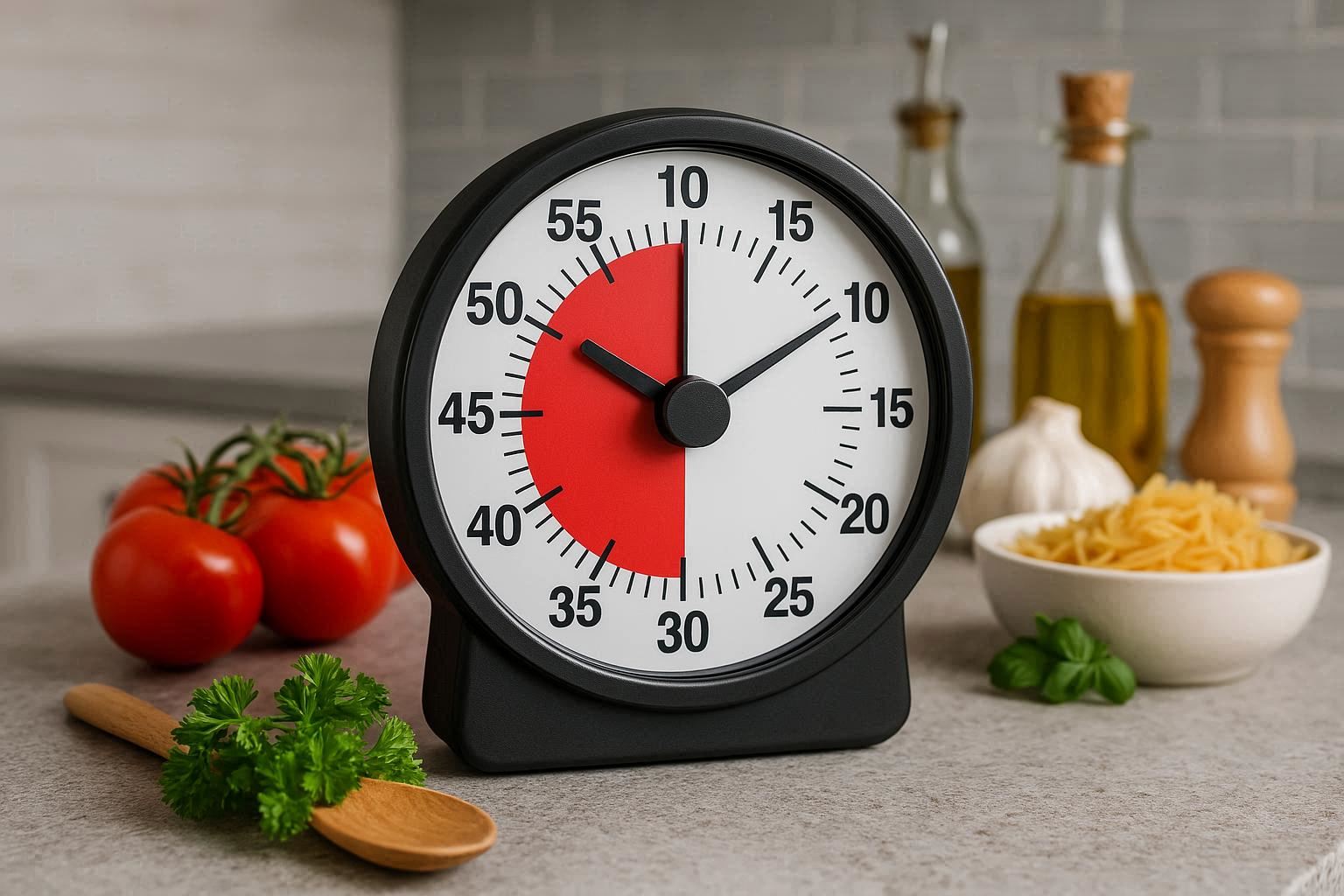
20 minute timer

20-minute home workouts can be really effective, especially if you stay focused. Short sessions with minimal rest, using compound movements, can raise your heart rate and work multiple muscle groups. Just think—20 minutes of squats, lunges, mountain climbers, and planks, done with intensity, will leave you sweaty and energized. If you’re short on time or want to stay consistent, these quick routines are worth a shot.

What is the best exercise with no equipment?

Women working out in the garden

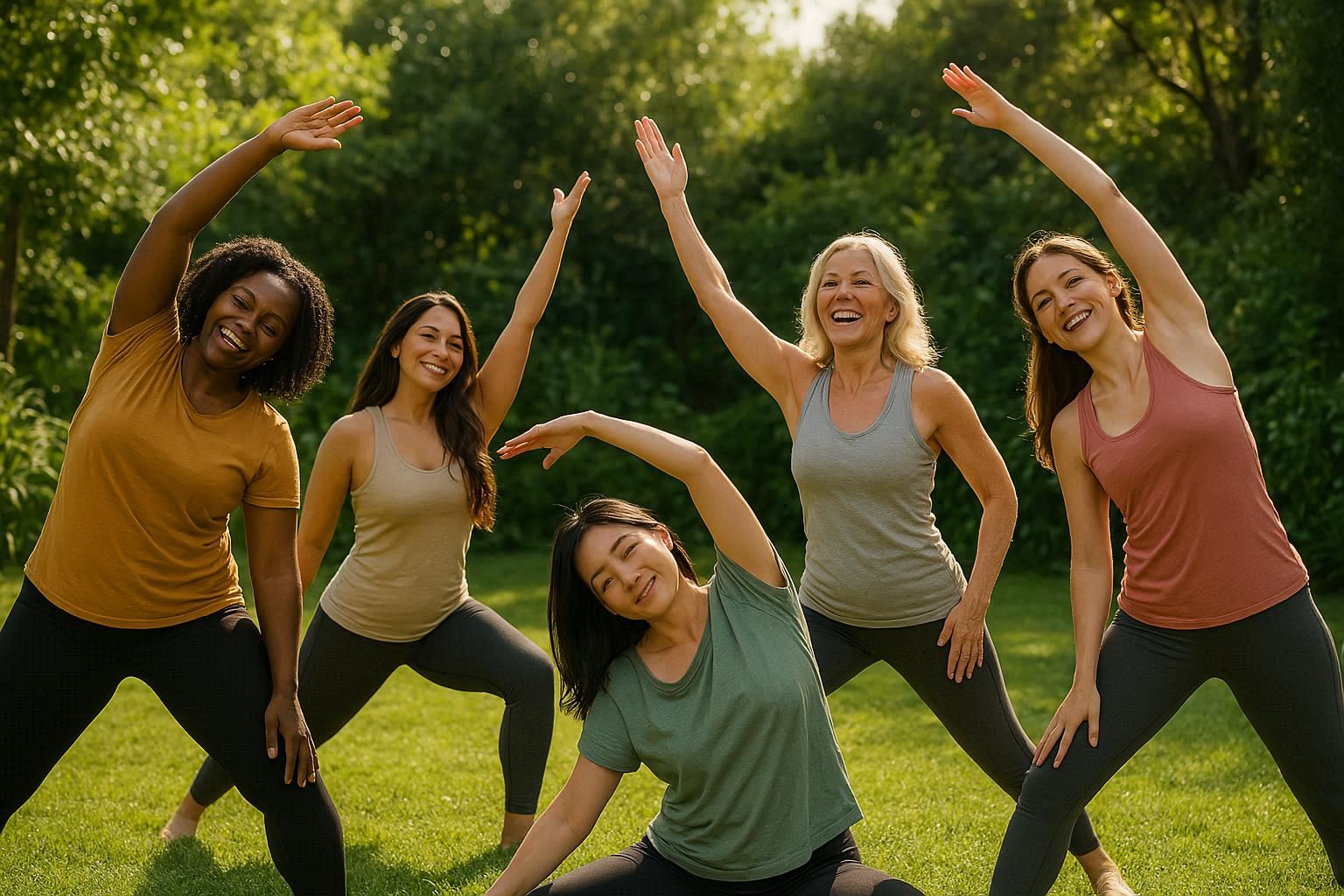
Bodyweight squats are a top pick since they strengthen your lower body, core, and even get your heart going. I also really like classic pushups—they work your chest, arms, and shoulders. Planks are another go-to move for building a stronger core. Mixing these into your routine covers a lot of bases and can help you progress quickly.


Sample Home Workouts (No Equipment Needed)

If you’re short on time, breaking exercise into 10-minute bursts makes getting active much more manageable. Here are five 10-minute home workout routines I use when life gets busy:

  • Full Body Blast: 1 minute bodyweight squats, 1 minute pushups, 1 minute lunges (alternate legs), 30 seconds plank, 1 minute mountain climbers, 1 minute rest (repeat once).
  • Leg Day Quickie: 1 minute squats, 1 minute reverse lunges, 1 minute wall sit, 1 minute glute bridges, 1 minute calf raises, 1 minute rest (repeat once).
  • Cardio Burn: 1 minute jumping jacks, 30 seconds high knees, 1 minute burpees, 1 minute butt kicks, 30 seconds squat jumps, 1 minute rest (repeat once).
  • Core Crusher: 1 minute plank, 1 minute bicycle crunches, 1 minute leg raises, 1 minute alternating heel taps, 1 minute flutter kicks, 1 minute rest (repeat once).
  • Upper Body Express: 1 minute pushups, 1 minute tricep dips (off a sturdy chair or step), 1 minute shoulder taps, 30 seconds plank up-downs, 1 minute rest (repeat once).

All of these combine strength and cardio. Switch routines to target different muscles and keep things interesting. Just remember that ten minutes really adds up if you make it a habit!


Guidance for Building Your Own Equipment Free Routine

Thinking about what workout to do

Mix Up the Basics

I find that combining a few key moves—squats, lunges, pushups, situps, and planks—gives a total body workout. Try making your own circuit routine. For instance, do each move for 45 seconds, then rest 15 seconds, and loop through the circuit three or four times. You’ll build strength, endurance, and even a bit of cardio fitness. If you’re looking for variety, add in moves like step-ups on stairs or side lunges to mix things up.

Tips on Progressing Without Weights

Want to make things harder? Slow down the movement (especially on the way down for squats and pushups), add holds (like pausing at the bottom), or work up to more advanced moves like single leg squats or decline pushups. Tracking the number of reps or timing your planks will show progress over time. If you start feeling bored, you can also add plyometric versions—like squat jumps—to keep challenging your body and maximizing results.

How Often Should I Work Out at Home?

Aim for at least three sessions a week, using the 3-3-3 rule, to keep your fitness up and see results. If you’re able to do more, spacing out your workouts (like every other day) can help speed up progress and avoid burnout. Listen to your body, and don’t be afraid to throw in an extra rest day when you need it.


Staying Motivated Without Equipment

Keeping things interesting goes a long way in making a home workout routine stick. Switch up your moves, try challenges (like seeing how many squats you can do in a minute), or invite a friend to do a video workout together. Setting small, achievable goals—like holding a plank for 60 seconds or bumping up your squat reps—makes it easier to stay on track.

You can also track your progress with a notebook, bullet journal, or a simple fitness app. Celebrate your small wins, whether it’s doing one extra pushup or holding a position longer than last time. Find playlists that fire you up and reward yourself as you hit key milestones. Remember, you don’t need fancy equipment to keep your body guessing and your motivation high.

Don’t forget to listen to your body, stay hydrated, and make time for cooldown stretches. Progress doesn’t happen overnight, but sticking with it is super important for long-term success. If you hit a plateau or lose motivation, switch up your routine—sometimes just adding a new move or changing the order of your exercises can get you excited to jump back in.

Motivational quotes


Need More Advice?

If you want extra ideas for bodyweight workouts or have specific fitness goals, feel free to reach out. I’m always happy to share routines, personal tips, or answer your questions about building healthy habits at home. Remember, every step forward counts—even a quick 10-minute workout makes a difference. You’ve got this!