
Supplement Reviews And Recommendations

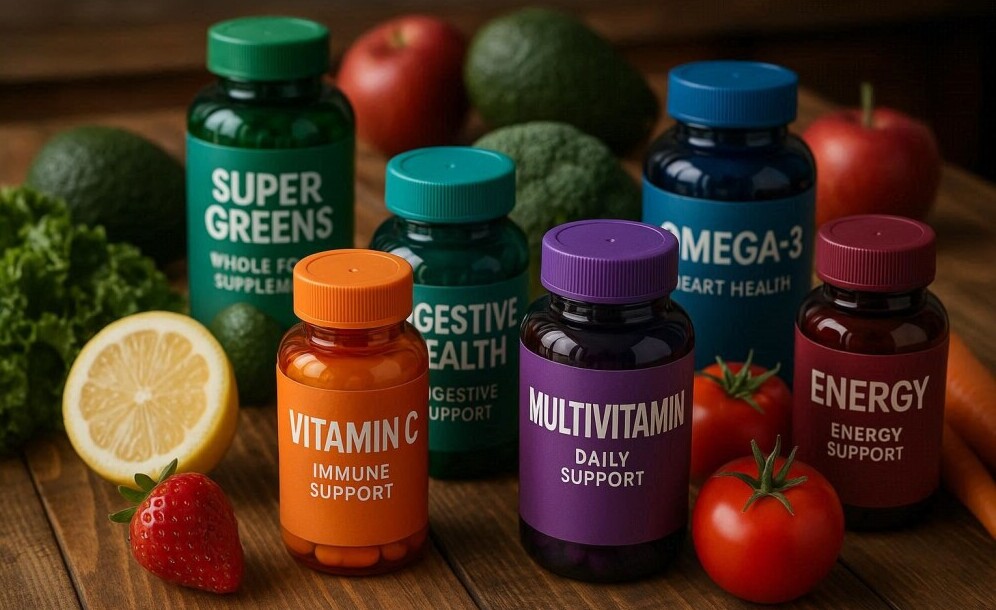
Supplement reviews and recommendations are everywhere now, and if you’re curious about adding vitamins, protein powders, or other dietary boosters to your daily routine, sorting through the choices can feel pretty overwhelming. Trying to figure out which supplements are actually worth your money, which ones deliver results, and which might just be hype? That’s where I come in. Here, you’ll find a clear breakdown of how to find trustworthy info, tips on picking supplements safely, some of my go-to recommendations, and answers to common questions.
Why Supplement Reviews Matter for Smart Choices

The supplement market has exploded lately, with new options arriving every year. Vitamins, minerals, protein powders, herbal blends—there’s something for nearly every health goal, but not every product on the shelves is equal. Learning how to spot solid reviews can help you avoid wasting time and cash, and keep your health goals on track.

Sales of dietary supplements in the U.S. alone are projected to cross $60 billion by 2025 (source). With an industry that big, you can bet marketing is strong, but research and honest feedback play huge roles in figuring out what’s actually useful. Reliable reviews from people who have tried the products (and know what to look for) are super important for making confident choices.

My recommendation

1. Vitamin D

What it does:

  • Supports bone health, calcium absorption
  • Important for immune function
  • May help mood regulation in those with low sun exposure

Evidence:
There’s good evidence that many people (especially in northern climates, during winter) are deficient. Supplementation can help reduce risk of respiratory infections, and improve bone health.

Cautions / things to watch out for:

  • It’s fat-soluble, so overdosing can lead to toxicity (e.g., hypercalcemia).
  • Best taken with a meal containing fat to improve absorption.
  • Have your blood levels checked if using high doses.

2. Omega‑3 Fatty Acids (EPA & DHA)

What it does:

  • Cardiovascular benefits (e.g. reducing triglycerides)
  • Anti‑inflammatory effects
  • Supports brain health

Evidence:
Studies show that regular intake of omega‑3s from fish or supplements is associated with reduced risk of heart disease.

Cautions:

  • Quality matters—choose a supplement tested for purity (low heavy metals, PCBs).
  • Can increase bleeding risk in high doses, especially if on anticoagulants.
  • Smell/taste issues; sometimes “fishy burps.”

3. Magnesium

What it does:

  • Supports nerve and muscle function
  • Helps regulate sleep quality
  • Involved in hundreds of enzyme reactions in the body

Evidence:
Many people’s diets are low in magnesium. Supplementation has been shown to improve sleep, reduce muscle cramps, and support metabolic health.

Cautions:

  • High doses may cause digestive upset (diarrhoea etc.).
  • Different forms (magnesium oxide vs citrate vs glycinate etc.) have different absorption / side‑effect profiles.
  • If you have kidney problems, check with a doctor before supplementing.

4. Zinc

What it does:

  • Immune system support
  • Helps with wound healing
  • Important for enzyme systems, taste/smell

Evidence:
Zinc supplementation can reduce duration of colds in some cases; helps if deficient. However, taking too much is risky. Aspire Fit+1

Cautions:

  • High doses over time can interfere with copper absorption.
  • May cause nausea or metallic taste.
  • Don’t exceed recommended daily limits unless under medical supervision.

5. Probiotics

What it does:

  • Helps maintain a healthy gut microbiome
  • May support digestive health, immunity
  • Some strains help with specific issues (IBS, antibiotic recovery etc.)

Evidence:
Good evidence for specific strains in specific conditions. But benefit depends heavily on strain, dose, product quality.

Cautions:

  • Not all probiotics are equal; many commercial products are under‑studied.
  • If immunocompromised or seriously ill, be cautious.
  • Store properly (many need refrigeration) to maintain viability.

6. Multivitamin / Multimineral Formulas

What it does:

  • Fills nutritional gaps in diet
  • Broad support: immune, energy, organ function etc.

Evidence:
Useful for people whose diets are restricted (e.g. vegans), or who have increased needs (e.g. pregnancy, older age). But for many with good diets, benefits are modest. Aspire Fit+1

Cautions:

  • Possible over‑laps: you might be doubling up on nutrients if also taking single‑nutrient supplements.
  • Some multivitamins contain unnecessary fillers or low-quality forms of minerals/vitamins.
  • Fat‑soluble vitamins (A, D, E, K) can build up in excess.

7. Creatine

What it does:

  • Supports muscle strength, power output
  • May help with brain energy/cognitive tasks
  • Good for high‑intensity training / older adults preserving muscle mass

Evidence:
Strong for athletic performance and increasing lean mass. There’s also emerging evidence for neuroprotective effects (but more research needed).

Cautions:

  • Requires adequate hydration.
  • Can cause digestive discomfort if taken in large single doses.
  • People with kidney issues should consult a doctor before use.

8. Ashwagandha

What it does:

  • Adaptogenic herb: helps the body manage stress
  • May reduce cortisol, improve sleep quality, mood

Evidence:
Some clinical trials suggest benefit in stress, anxiety, and mild insomnia. However long‑term safety and optimal doses are less well established.

Cautions:

  • Possible side effects include stomach upset, drowsiness.
  • Could interact with sedatives or thyroid medications.
  • Not always well‑regulated; quality & purity vary.

9. Turmeric / Curcumin

What it does:

  • Powerful anti‑inflammatory and antioxidant effects
  • May help joint pain, metabolic health, possibly mood

Evidence:
Curcumin has shown promise in reducing pain from arthritis, and in markers of inflammation. However, its bioavailability is low unless formulated with enhancers (e.g. piperine or specific delivery systems).

Cautions:

  • High doses could cause digestive issues, or affect liver enzymes.
  • May interact with blood thinners.
  • Be cautious of exaggerated claims.

10. Iron

What it does:

  • Essential for red blood cell production and oxygen transport
  • Important for energy, cognitive function

Evidence:
If you’re deficient (e.g. iron‑deficiency anaemia), supplementation makes a big difference. But for people with sufficient iron stores, supplementation has little benefit and could be harmful in excess.

Cautions:

  • Excess iron can be toxic; can cause gastrointestinal issues, organ damage.
  • Best taken with Vitamin C (enhances absorption), and away from calcium or caffeine (which inhibit absorption).
  • For people with haemochromatosis or other iron‑storage disorders, avoid supplementation unless prescribed.

⚠️ Overarching Considerations

  • Quality & sourcing is super important. Many supplements on the market are underdosed, contaminated, or mislabelled. The UK has stricter regulation than some places, but issues still exist.
  • Always check interactions with medications (prescription or over‑the‑counter).
  • Start with a lab test if possible so you know what you actually need.
  • Lifestyle + diet are foundational — supplements help fill gaps, not replace good food, sleep, exercise etc.

Common Supplement Questions—Answered

Here are a few FAQs I get asked often about supplements:

What’s the best way to try a supplement safely?
Answer: Start with one new supplement at a time and track how you feel over at least two weeks before adding anything new. This approach makes it easier to pinpoint what’s working (or isn’t).


How do I spot fake or unhelpful supplements?
Answer: Avoid products that don’t show their ingredient list, don’t have thirdparty testing, or make wild health claims (like instant weight loss or miracle cures).


Can I take multiple supplements at once?
Answer: Sometimes, but not always. Too many supplements at the same time can interact or overlap. Check with a doctor, especially if you take other medications or have a health condition.


Do supplements work right away?
Answer: Most take time. For example, vitamin D or magnesium often need at least a couple weeks to show noticeable effects, while caffeine has a much faster impact; patience is key.


Are all supplements safe to use for everyone?
Answer: Not always. Some supplements may not be suitable if you’re pregnant, breastfeeding, or have certain health conditions. Always check in with your healthcare provider before starting anything new, to make sure it’s a good fit for you. Also, watch for possible allergies to specific ingredients.

Trying something new?

Keep your health goals and budget front and center, and use reviews to fill in the gaps. Your best results come from thoughtfully chosen, consistently used supplements with clear benefits, along with a bit of patience to see how your body responds. And remember, the world of supplements is always changing, so keep learning and stay curious as you build a path to better health.
Meal Prep Tips For Staying On Track With Your Diet

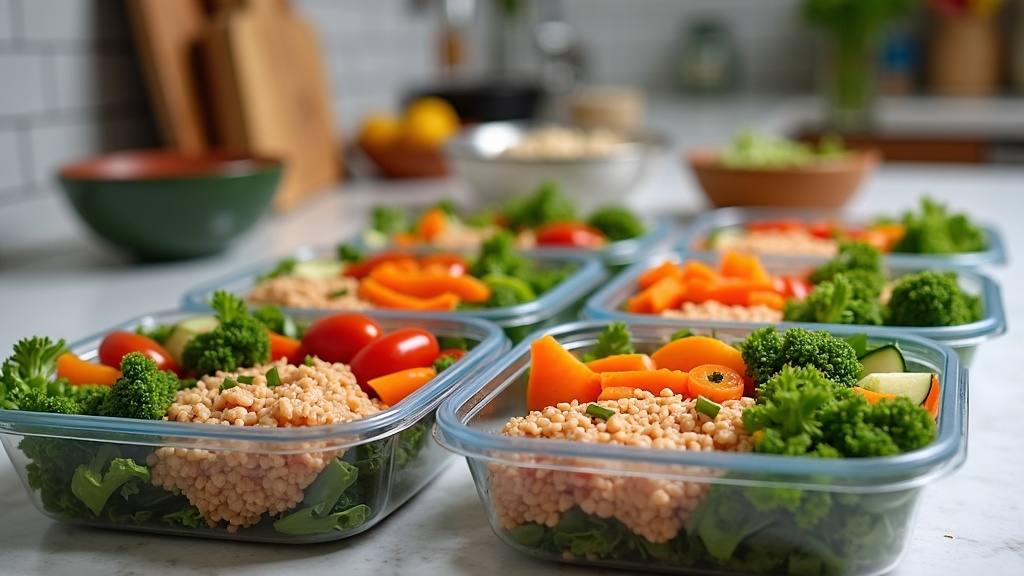
If you’re trying to keep your eating habits steady, meal prepping can be a real game changer. I’ve found that spending a little extra time planning my food pays off throughout the week, saving money, reducing stress, and keeping my nutrition in check. Here’s my guide on meal prep tips for staying on track with your diet, packed with practical info and real-life advice.

Freshly prepped healthy meal containers on a kitchen counter filled with colorful vegetables, lean protein, and grains. Bowls of ingredients and kitchen tools are visible in the background.

Why Meal Prep Makes a Difference for Your Diet

Meal prepping isn’t just about loading up containers of grilled chicken and rice. When I prep my meals ahead, I build guardrails that help me stick with my personal nutrition goals. This could mean hitting calorie targets, balancing macros, or just making sure I’m eating more vegetables—whatever my goal at the time, prepping has helped me stick to it.

It’s also about convenience. Knowing what I’m eating cuts down on random snack attacks or those last-minute unhealthy takeout orders. In fact, a 2017 study from France even showed that people who planned their meals regularly had higher odds of maintaining healthier diets and lower odds of obesity. Having a plan in place doesn’t guarantee you’ll never be tempted by junk food, but it does make skipping it much easier.

Plus, meal prepping can give a boost to your confidence in the kitchen and help you stumble upon new favorite recipes. With a stocked fridge of homemade meals, I find it less tempting to hit up the drive-thru. Consistency in meal prep means less food waste and more balanced eating overall.

How to Stay Consistent With Meal Prepping

For me, consistency comes down to habits. Getting into a groove with meal prepping isn’t always easy at first, but a few realistic strategies have helped me stick with it over time:

  • Pick a prep day: I block off an hour or two every Sunday, but any day that fits your schedule works just as well. Treat it like any other appointment.
  • Start simple: Focusing on just one or two meals, like lunches and snacks, helped me avoid getting overwhelmed. Building up as I got more comfortable made it sustainable.
  • Use repeatable recipes: I rely on meals I can double up, such as big batches of chili, roasted veggies, or grain bowls. This saves time and makes grocery shopping easier.
  • Invest in decent containers: Stackable leakproof containers keep things fresher and make packing my fridge faster.
  • Forgive missed weeks: If I skip a week, I don’t sweat it. I just start again the next week instead of quitting altogether.

Staying on track doesn’t mean being perfect. It means adjusting as life happens and sticking to routines that truly fit your lifestyle. The more you do it, the easier it’ll get to keep meal prepping as a regular part of your week.

The 4-2-3-1 Diet Plan: What Is It?

The 4-2-3-1 diet plan may not be as well-known as keto or intermittent fasting, but it’s an easy to follow framework for meal planning. Essentially, it gives you a straightforward guideline for how you split up your plate or meal components throughout your day. Here’s how it usually breaks down:

  • 4: Four servings of vegetables per day; think leafy greens, carrots, broccoli, or anything nonstarchy.
  • 2: Two servings of fruit per day; apples, berries, bananas, or whichever fresh fruits you like.
  • 3: Three servings of protein per day; chicken, fish, tofu, or other lean sources.
  • 1: One serving of whole grains per day, such as brown rice, quinoa, or oats.

This plan keeps your meals balanced and simple. If I’m ever unsure about what to add or cut back on, I use this template to get back on track. It’s practically foolproof for getting a mix of all the basics without overthinking it, and it works well whether you’re eating at home or on the go.

Meal Prepping for Weight Loss: What Works Best?

If weight loss is part of your goal, prepping meals can make a real difference. Cooking at home helps with tracking calories, controlling portions, and cutting back on hidden fats, sugars, or sauces. I’ve picked up a few tips that make my own weight loss meal prep manageable and enjoyable:

  1. Create a tailored plan: Knowing your calorie needs (there are lots of free calculators online) sets a baseline. I map out three or four basic meals and rotate them during the week.
  2. Balance nutrients: Each container gets a combo of lean protein, veggies, and a healthy carb. This keeps me full and powers me through the day.
  3. Don’t skip healthy fats: A splash of olive oil, some avocado, or a handful of nuts goes a long way and prevents hunger later.
  4. Preportion snacks: I bag my snacks ahead of time—veggie sticks, boiled eggs, or yogurt—so I’m not raiding the cookie jar at night.
  5. Mix up seasonings: Switching spices or sauces makes the same base ingredients feel brand new, so I never get bored.

Adding some variety is key, especially when you want to enjoy your food. If you like more balanced meal ideas, check out MyPlate.gov to track down more inspiration that supports healthy weight loss. You’ll stumble upon simple swaps that make your meals both tasty and nutritious.

Is Meal Prepping for 5 Days Safe?

Prepping food for several days at a time is super common, but keeping food safety in mind is smart. I usually prep for four or five days at once, and as long as I follow a few safety basics, I don’t run into problems.

  • Refrigerate promptly: I put cooked foods in the fridge within two hours of cooking. Most cooked meals last safely for three to five days if kept cold (according to the USDA).
  • Label containers: Adding the date on containers makes it easy to know what to eat first.
  • Freeze extras: If I prep for more than four or five days, I freeze some meals to keep them fresh until I need them.

Foods that hold up for five days include baked chicken, hardboiled eggs, roasted vegetables, brown rice, and bean salads. Seafood and softer veggies can spoil faster, so I eat those earlier in the week. If you’re uncertain, check guidelines on safe storage or just give a once-over for any signs of spoilage before eating.

Take Up a Notch Your Meal Prep Game: Tips for Success

Once you’re comfortable with the basics, a few tweaks can make meal prep work even better for your goals:

  • Batchcook basics: Cooking plain protein, veggies, and grains lets you mix and match though the week, making meals feel new each day.
  • Stay organized: A quick meal plan and grocery list saves time and money. Having some versatile pantry staples (canned beans, frozen veggies) means I can always throw together something if plans change.
  • Get creative with leftovers: When I get tired of regular chicken, I shred it for tacos or stir it into soup for a totally new meal.
  • Use flavor builders: Sauces, salsas, and spice mixes keep things fun. I enjoy experimenting with things like chimichurri, pesto, or just a spoonful of Greek yogurt and herbs.

Frequently Asked Questions

Question: How do I keep meals from getting soggy in the fridge?
Answer: I store dressings and sauces in separate containers and add them just before eating. Keeping salad greens or roasted veggies apart from toppings until serving time helps keep everything crisp.


Question: Are there any foods that aren’t good for meal prep?
Answer: Some foods don’t keep well. For instance, cut avocado, most fresh berries, or fried foods lose freshness quickly. I stick with staples like carrots, broccoli, beans, and most grains, which last several days without issue.


Question: Can meal prep work for vegetarians or vegans?
Answer: Absolutely. There are tons of plantbased proteins and hearty vegetables that hold up well. I prep tofu, beans, lentils, quinoa, or tempeh for solid nutrition and good variety in my meals, and swap in seasonal produce for fun.


Bonus: Factor

Don’t want to cook at all? Factor delivers fully prepared, dietitian-approved meals that are ready to heat and eat—perfect for a no-fuss, healthy lifestyle.

Planning ahead and staying on track with your meals doesn’t have to be stressful. Whether you’re trying to eat healthier, save time, or just avoid another last-minute grocery run, these meal delivery services make cooking at home easier and more enjoyable. Here are my top personal recommendations:

1. HelloFresh

One of the most popular meal kit services for a reason—HelloFresh offers easy-to-follow recipes, fresh ingredients, and flexible plans to suit any lifestyle. It’s great for beginners and busy households alike.

2. Blue Apron

Known for its chef-curated meals and quality ingredients, Blue Apron makes it fun to explore new recipes and flavors while improving your cooking skills.

3. Green Chef

Perfect for those with specific dietary needs—like keto, paleo, or plant-based—Green Chef delivers organic, nutrition-packed meals that taste amazing and support your goals.

4. Home Chef

Home Chef is all about customization. You can swap proteins, double up on portions, or choose from oven-ready meals when time is tight.

5. Sunbasket

If you’re focused on clean eating, Sunbasket is a standout. They offer organic produce, sustainable proteins, and meal options for a variety of diets including Mediterranean, gluten-free, and more.