
Supplement Reviews And Recommendations

Supplement reviews and recommendations are everywhere now, and if you’re curious about adding vitamins, protein powders, or other dietary boosters to your daily routine, sorting through the choices can feel pretty overwhelming. Trying to figure out which supplements are actually worth your money, which ones deliver results, and which might just be hype? That’s where I come in. Here, you’ll find a clear breakdown of how to find trustworthy info, tips on picking supplements safely, some of my go-to recommendations, and answers to common questions.
Why Supplement Reviews Matter for Smart Choices

The supplement market has exploded lately, with new options arriving every year. Vitamins, minerals, protein powders, herbal blends—there’s something for nearly every health goal, but not every product on the shelves is equal. Learning how to spot solid reviews can help you avoid wasting time and cash, and keep your health goals on track.

Sales of dietary supplements in the U.S. alone are projected to cross $60 billion by 2025 (source). With an industry that big, you can bet marketing is strong, but research and honest feedback play huge roles in figuring out what’s actually useful. Reliable reviews from people who have tried the products (and know what to look for) are super important for making confident choices.

My recommendation

1. Vitamin D

What it does:

  • Supports bone health, calcium absorption
  • Important for immune function
  • May help mood regulation in those with low sun exposure

Evidence:
There’s good evidence that many people (especially in northern climates, during winter) are deficient. Supplementation can help reduce risk of respiratory infections, and improve bone health.

Cautions / things to watch out for:

  • It’s fat-soluble, so overdosing can lead to toxicity (e.g., hypercalcemia).
  • Best taken with a meal containing fat to improve absorption.
  • Have your blood levels checked if using high doses.

2. Omega‑3 Fatty Acids (EPA & DHA)

What it does:

  • Cardiovascular benefits (e.g. reducing triglycerides)
  • Anti‑inflammatory effects
  • Supports brain health

Evidence:
Studies show that regular intake of omega‑3s from fish or supplements is associated with reduced risk of heart disease.

Cautions:

  • Quality matters—choose a supplement tested for purity (low heavy metals, PCBs).
  • Can increase bleeding risk in high doses, especially if on anticoagulants.
  • Smell/taste issues; sometimes “fishy burps.”

3. Magnesium

What it does:

  • Supports nerve and muscle function
  • Helps regulate sleep quality
  • Involved in hundreds of enzyme reactions in the body

Evidence:
Many people’s diets are low in magnesium. Supplementation has been shown to improve sleep, reduce muscle cramps, and support metabolic health.

Cautions:

  • High doses may cause digestive upset (diarrhoea etc.).
  • Different forms (magnesium oxide vs citrate vs glycinate etc.) have different absorption / side‑effect profiles.
  • If you have kidney problems, check with a doctor before supplementing.

4. Zinc

What it does:

  • Immune system support
  • Helps with wound healing
  • Important for enzyme systems, taste/smell

Evidence:
Zinc supplementation can reduce duration of colds in some cases; helps if deficient. However, taking too much is risky. Aspire Fit+1

Cautions:

  • High doses over time can interfere with copper absorption.
  • May cause nausea or metallic taste.
  • Don’t exceed recommended daily limits unless under medical supervision.

5. Probiotics

What it does:

  • Helps maintain a healthy gut microbiome
  • May support digestive health, immunity
  • Some strains help with specific issues (IBS, antibiotic recovery etc.)

Evidence:
Good evidence for specific strains in specific conditions. But benefit depends heavily on strain, dose, product quality.

Cautions:

  • Not all probiotics are equal; many commercial products are under‑studied.
  • If immunocompromised or seriously ill, be cautious.
  • Store properly (many need refrigeration) to maintain viability.

6. Multivitamin / Multimineral Formulas

What it does:

  • Fills nutritional gaps in diet
  • Broad support: immune, energy, organ function etc.

Evidence:
Useful for people whose diets are restricted (e.g. vegans), or who have increased needs (e.g. pregnancy, older age). But for many with good diets, benefits are modest. Aspire Fit+1

Cautions:

  • Possible over‑laps: you might be doubling up on nutrients if also taking single‑nutrient supplements.
  • Some multivitamins contain unnecessary fillers or low-quality forms of minerals/vitamins.
  • Fat‑soluble vitamins (A, D, E, K) can build up in excess.

7. Creatine

What it does:

  • Supports muscle strength, power output
  • May help with brain energy/cognitive tasks
  • Good for high‑intensity training / older adults preserving muscle mass

Evidence:
Strong for athletic performance and increasing lean mass. There’s also emerging evidence for neuroprotective effects (but more research needed).

Cautions:

  • Requires adequate hydration.
  • Can cause digestive discomfort if taken in large single doses.
  • People with kidney issues should consult a doctor before use.

8. Ashwagandha

What it does:

  • Adaptogenic herb: helps the body manage stress
  • May reduce cortisol, improve sleep quality, mood

Evidence:
Some clinical trials suggest benefit in stress, anxiety, and mild insomnia. However long‑term safety and optimal doses are less well established.

Cautions:

  • Possible side effects include stomach upset, drowsiness.
  • Could interact with sedatives or thyroid medications.
  • Not always well‑regulated; quality & purity vary.

9. Turmeric / Curcumin

What it does:

  • Powerful anti‑inflammatory and antioxidant effects
  • May help joint pain, metabolic health, possibly mood

Evidence:
Curcumin has shown promise in reducing pain from arthritis, and in markers of inflammation. However, its bioavailability is low unless formulated with enhancers (e.g. piperine or specific delivery systems).

Cautions:

  • High doses could cause digestive issues, or affect liver enzymes.
  • May interact with blood thinners.
  • Be cautious of exaggerated claims.

10. Iron

What it does:

  • Essential for red blood cell production and oxygen transport
  • Important for energy, cognitive function

Evidence:
If you’re deficient (e.g. iron‑deficiency anaemia), supplementation makes a big difference. But for people with sufficient iron stores, supplementation has little benefit and could be harmful in excess.

Cautions:

  • Excess iron can be toxic; can cause gastrointestinal issues, organ damage.
  • Best taken with Vitamin C (enhances absorption), and away from calcium or caffeine (which inhibit absorption).
  • For people with haemochromatosis or other iron‑storage disorders, avoid supplementation unless prescribed.

⚠️ Overarching Considerations

  • Quality & sourcing is super important. Many supplements on the market are underdosed, contaminated, or mislabelled. The UK has stricter regulation than some places, but issues still exist.
  • Always check interactions with medications (prescription or over‑the‑counter).
  • Start with a lab test if possible so you know what you actually need.
  • Lifestyle + diet are foundational — supplements help fill gaps, not replace good food, sleep, exercise etc.

Common Supplement Questions—Answered

Here are a few FAQs I get asked often about supplements:

What’s the best way to try a supplement safely?
Answer: Start with one new supplement at a time and track how you feel over at least two weeks before adding anything new. This approach makes it easier to pinpoint what’s working (or isn’t).


How do I spot fake or unhelpful supplements?
Answer: Avoid products that don’t show their ingredient list, don’t have thirdparty testing, or make wild health claims (like instant weight loss or miracle cures).


Can I take multiple supplements at once?
Answer: Sometimes, but not always. Too many supplements at the same time can interact or overlap. Check with a doctor, especially if you take other medications or have a health condition.


Do supplements work right away?
Answer: Most take time. For example, vitamin D or magnesium often need at least a couple weeks to show noticeable effects, while caffeine has a much faster impact; patience is key.


Are all supplements safe to use for everyone?
Answer: Not always. Some supplements may not be suitable if you’re pregnant, breastfeeding, or have certain health conditions. Always check in with your healthcare provider before starting anything new, to make sure it’s a good fit for you. Also, watch for possible allergies to specific ingredients.

Trying something new?

Keep your health goals and budget front and center, and use reviews to fill in the gaps. Your best results come from thoughtfully chosen, consistently used supplements with clear benefits, along with a bit of patience to see how your body responds. And remember, the world of supplements is always changing, so keep learning and stay curious as you build a path to better health.
Organic Green Tea Extracts

Organic green tea extracts have grabbed the spotlight lately for anyone looking to boost their wellness routine. From supporting energy to well-known antioxidant properties, these plantbased supplements pack a lot of natural benefits into a small dose. With interest in clean, health-conscious living reaching new heights, organic green tea extracts are turning up everywhere—from smoothies and supplements to skincare. In this piece, I’m going to cover everything you need to know about these extracts, ways to choose a good one, how to use them safely, and what makes them a worthwhile addition to your daily routine.

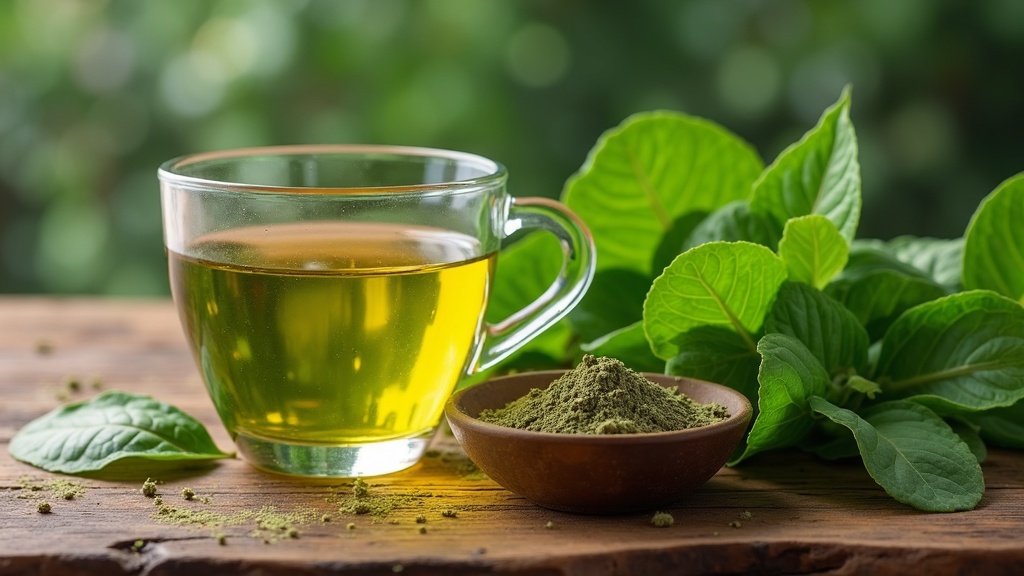
A glass cup of fresh organic green tea with vibrant green leaves and a small bowl of powdered extract on a rustic wooden table

The Basics: What Are Organic Green Tea Extracts?

Green tea has been a mainstay in Asian cultures for centuries, cherished both as a comforting drink and as a remedy rooted in tradition. When you see “green tea extract,” it refers to a concentrated substance made by soaking green tea leaves in water or alcohol, then evaporating the liquid to create a powerful powder or liquid. If it’s labeled “organic,” that means the tea leaves were cultivated without synthetic pesticides or fertilizers—so for anyone after purity, it can be an extra reassurance.

The supposed benefits of green tea come mainly from compounds called catechins, with EGCG (epigallocatechin gallate) being particularly popular. Catechins are natural antioxidants, fueling much of the research about green tea’s role in metabolic health, heart support, and skin protection. Although regular tea contains these catechins, extracts deliver a lot more—sometimes up to 50 to 70% catechin content per serving. That’s why more people go for extracts instead of brewing cup after cup throughout the day.

Why People Turn to Organic Green Tea Extracts

Adding organic green tea extracts to your routine can be handy for a lot of reasons:

  • Rich in Antioxidants: Antioxidants fight the cell damage caused by oxidative stress, which is linked to aging and common health issues. Green tea extracts have a high concentration of these beneficial molecules.
  • Supports Metabolism: Some research points to green tea extracts gently helping calorie burning—a reason they pop up frequently in “fat burner” blends.
  • Natural Energy Source: Green tea offers caffeine, just not as much as coffee. That often means a mild lift with fewer jitters.
  • Versatile: Take them as capsules, mix the powder into shakes or recipes, or find them in topical skincare for soothing effects.

Choosing organic also gives peace of mind. You’re getting a product produced with better farming standards and, hopefully, fewer contaminants.

How to Get Started with Organic Green Tea Extracts

If you’re considering green tea extracts for the first time, it can be confusing with so many options out there. Here are practical, beginner-friendly tips to help you get started safely and make the extract really work for you:

  • Choose a Reputable Brand: Look for products with clear labeling, ideally a third-party mark like USDA Organic or EU Organic. Transparent ingredient lists, as well as customer reviews, signal a good source.
  • Start Low: Extracts are much more concentrated than brewed tea. Try a lower dose—under 300 mg extract per day until you see how your body responds.
  • Decide on a Format: Capsules make dosing easy and mess-free, while powders offer flexibility for blending into drinks and foods.
  • Time It Right: Because caffeine is present, take it earlier in the day to avoid sleep issues—especially if you are sensitive.
  • Check for Added Ingredients: Some products add flavors, sweeteners, or other herbal extras. Stick to pure formulas if you want the straight benefit of green tea alone.

Following these steps will help you avoid side effects (like upset stomach or jitters), making it easier to see the benefits for yourself in the long run.

Things to Keep in Mind Before You Buy

As with any supplement, organic green tea extracts need a bit of homework before you commit to making them a regular part of your day. Here are common points to keep in mind when jumping in for the first time:

  • Dosage Awareness: Since extracts are potent, follow label guidelines and ask your healthcare provider if you’re unsure. Too much can cause digestive issues.
  • Caffeine Content: While less than coffee, extracts still provide caffeine. Choose decaf or use a smaller quantity if you are sensitive or want to dial back your daily intake.
  • Quality and Purity: Not every supplement is free from contaminants. Going with certified organic and third-party-tested products lowers your risk considerably.
  • Possible Interactions: Green tea extracts may conflict with certain medications (like blood thinners). It’s always wise to check with your doctor if you have concerns.
  • Price vs. Value: Organic versions cost a bit more, but that reflects better farming practices and thorough testing. If you’re budgeting, compare brand standards to see what fits your needs best.

Reading reviews, lab reports, and doing a bit of legwork can really help you find a supplement that’s worth your money and works as expected.

Common Challenges and How to Handle Them

  • Taste: Green tea has a natural grassy or slightly bitter taste that isn’t for everyone. Capsules bypass that, but powders can be masked with bold flavors like lemon or ginger in drinks.
  • Consistency: Like other wellness products, green tea extract’s effects become more noticeable with regular use. Give it time for best results.
  • Sensitivity: If you’re sensitive to caffeine, even a little bit can affect you. Opt for decaf or split the dose if you notice any jitters.

Advanced Uses and Fun Ideas for Organic Green Tea Extracts

Once you’ve gotten comfortable with the basics, there are loads of creative ways to work green tea extract into your daily habits or even your self-care routine:

Homemade Green Tea Lattes: Mix a precise scoop of extract powder into warmed almond or oat milk and a dash of honey—it creates a fun alternative to coffee lattes.

DIY Skincare Treatments: Add a tiny pinch of green tea extract powder to homemade facial masks. Antioxidants in green tea can soothe skin and help calm redness. Test on a small patch first, especially if your skin is sensitive.

Smoothie Booster: A measured spoon of green tea powder blends easily into fruit smoothies or protein shakes—try it with banana or vanilla for great flavor.

Breakfast Add-In: Sprinkle a little into oats or yogurt for an antioxidant boost without overpowering the taste.

Mixing things up with these ideas helps you enjoy your routine and get more value from your green tea extract purchase.

Where Organic Green Tea Extract Shines in Real Life

I’ve noticed green tea extract can have a meaningful impact in different areas of daily life, beyond just popping a capsule. Athletes sometimes use it for a gentle energy jolt before exercise. Busy workers enjoy the focused, clean feel it gives, and skin enthusiasts love it for its calming properties in creams or serums. What stands out is the flexibility of green tea extract—from grab-and-go capsules to extra TLC in a homemade mask.

  • Energy and Focus: Offers a mild, smooth energy lift that lasts, thanks to just the right amount of caffeine and antioxidants.
  • Exercise Support: Some reach for it before workouts. The antioxidants can help your body manage exercise-related strain.
  • Balanced Wellness: Adding green tea extracts can help transition away from high-caffeine or sugary energy products during your day.
  • Healthy-Looking Skin: In topicals, catechins offer soothing and brightening effects, making your skin look refreshed and vibrant.

These daily examples show exactly why organic green tea extracts have become so popular among folks who want simple, plantbased support without fillers or fake ingredients.

Frequently Asked Questions

Plenty of questions crop up about organic green tea extracts, especially if you’re thinking about giving them a try. Here are answers to some of the ones I hear a lot:

Question: How does organic green tea extract differ from drinking plain green tea?
Answer: Extracts are much more concentrated—so a small scoop or a capsule delivers as much antioxidant content as several cups of tea. Also, with organic tea, you’re getting stricter quality controls and avoiding unwanted pesticides.


Question: Is it safe to take green tea extract every day?
Answer: For most people, yes, if you stick to serving recommendations. Always check with your doctor if you’re on medication or dealing with a health condition.


Question: Are there any known side effects?
Answer: Occasionally, large amounts might irritate your stomach or leave sensitive folks feeling jittery (from caffeine). Use moderate amounts and pick decaf options if you need to.


Wrapping Up

Organic green tea extracts are packed with natural benefits, fitting smoothly into a variety of lifestyles. With the right info, a bit of quality control, and sensible use, you get genuine, plantpowered support for your routine. Whether you use them to power up your smoothie, assist recovery after a workout, or even as a skincare ingredient, they’re versatile enough for most wellness adventures.

Putting in the effort to select a reliable product gives you the best chance to see real benefits for both mind and body. Here’s to starting something good for yourself each day—one scoop, shake, or mask at a time.

Weight Loss Pills With Money-Back Guarantee

If you’re exploring ways to jumpstart your weight loss adventure, you’ve probably seen more ads for weight loss pills than you can count. With a flood of options out there, it can be tough to spot the real deal and not get drawn in by empty promises. That’s when money-back guarantees come in handy, especially when you want to see if a product matches your lifestyle with less risk. In this article, I’m sharing what I know about weight loss pills that include money-back guarantees, how these policies work, and what sort of results you can expect if you use them wisely.

A variety of supplement bottles and capsules arranged on a neutral background, with a focus on colorful labels and packaging.

How Money-Back Guarantees Work with Weight Loss Pills

Not every supplement company tosses in a money-back guarantee, but a lot of the more popular brands do it to help people feel confident about giving their products a shot. A money-back guarantee gives you the option to return the product within a specific window—often 30, 60, or even 90 days—if you aren’t happy with it. The basic idea is simple: if the pill doesn’t live up to your hopes, you can ask for your money back and avoid feeling tricked by flashy marketing.

However, the nitty-gritty details can vary a lot. That’s why I always suggest reading the fine print before buying. Sometimes you’ll need to send back the empty bottle, or just the unused part. Some companies only refund one bottle per order, even if you purchased a multi-bottle bundle. Taking a quick look at these terms ahead of time helps dodge surprise issues and makes sure you know what to expect if you’re planning to get a refund.

Common Types of Weight Loss Pills with Money-Back Guarantees

You’ll see tons of supplements boasting “risk-free” offers, but they usually fall into a handful of groups:

  • Appetite Suppressants: These are usually made with fiber, caffeine, or plant extracts to help you feel full so you eat less.
  • Fat Burners: Many use caffeine, green tea extract, or cayenne pepper to try and give your metabolism a push so your body uses more energy.
  • Carb Blockers: With ingredients like white kidney bean extract, these aim to limit how many carbs your body absorbs during meals.
  • Thermogenics: These are designed to bump up your body temperature and burn more calories, usually with some kind of stimulant.

I spot the best money-back policies from brands with decent online reputations who are hoping for repeat business. Names like PhenQ, Leanbean, and Hunter Burn make this list, and plenty of newer brands are jumping in too.

Getting Started: What to Know Before Buying

Anyone can type “money-back guarantee” on a web page, but I’ve learned it’s important to check a few things before ordering. Here’s what I always look into:

  • Company Reputation: I like to check reviews from a mix of sources—not just their own website. This helps spot possible warning signs of scammy return policies, hidden fees, or slow refunds.
  • Active Ingredients: I read the full ingredient list and track down formulas that are either backed by research or have a good track record in similar products.
  • Return Policy Details: No two returns are the same. Some brands refund shipping while others don’t, and some require original packaging. Getting clear on this early saves headaches down the road.

A Simple Guide to Using Weight Loss Pills Effectively

While supplements can give your weight loss plan a boost, the basics are still key—solid nutrition, regular activity, and consistency. Here’s a handy roadmap for using weight loss pills as part of a healthy routine:

  1. Check with Your Doctor: Always ask a healthcare provider before starting a new supplement, especially if you have any health conditions or medications.
  2. Stick to Instructions: Follow the dosage and timing printed on the packaging. Taking too much or mixing it up can lead to more risks than rewards.
  3. Track Your Progress: Weigh yourself the same time each week and jot down how you feel. This info not only keeps you on track, but will help you describe outcomes if you want to use the money-back guarantee.
  4. Keep Up Good Habits: Remember, no pill makes up for a lack of balanced meals or inactivity. Pairing supplements with positive habits often leads to the best results.
  5. Give It an Honest Shot: Money-back guarantees usually require you to try the product for at least a few weeks. Watch for positive changes and keep an eye out for any unusual effects—good or bad.

By following this plan, you can make the most out of supplements while cutting down on risks, and the refund process will be much smoother if you decide the product isn’t right for you.

Points to Consider Before Committing to a Weight Loss Pill

Certain pills sound amazing, but there are a few big things I always consider before making a purchase or giving a recommendation:

  • Side Effects: Even ingredients with “natural” on the label, like caffeine or green tea extract, can still trigger jitters or headaches. If you’re sensitive to stimulants, try taking a smaller amount before jumping all in.
  • Price per Serving: Not every bottle is a bargain. Some cost more than a monthly gym membership. I always add up servings per bottle to see how long it will last at the recommended dose.
  • Clinical Evidence: I look for brands that mention some kind of clinical study or research to support their formulas. If all I see are hype and before-and-after photos, I’m cautious.
  • Clarity of the Money-Back Process: A clear and straightforward refund process is what you want. When rules are complicated or require loads of proof and photos, I see that as a red flag.

Side Effects

The usual side effects you might stumble upon include a racing heart rate, trouble sleeping, digestive upsets, or headaches. It helps to keep a journal of your experiences for at least two weeks. This way, you can check for patterns and decide quickly if a supplement is working for your body or not.

Cost and Value

Price alone doesn’t tell the whole story. I also look at how long the money-back period covers, how many capsules are included, and if shipping expenses are refunded. Often, the biggest wins come from products with a longer refund window instead of the lowest price tag.

Realistic Expectations

No single weight loss pill is going to replace smart, sustainable habits. The most trusted supplements work best when you pair them with good food, regular hydration, and a little movement. If the guarantee promises “effortless” or overnight results, I get skeptical fast. It’s easy to get pulled in by outlandish claims, but real change happens step by step—and that’s safer in the long run.


Helpful FAQs About Weight Loss Pills and Money-Back Guarantees

Here are some of the most frequent questions I get about these products, along with my best answers based on personal use and research:

Question: How do I claim a money-back guarantee on a weight loss pill?
Answer: Nearly every company will have a customer support section or live chat. The minute you figure out that a supplement isn’t for you, get in touch and ask about refund steps. Usually, you’ll need your order info and the reason for your return. Many companies will guide you through sending the bottle back—sometimes even an empty one—for your refund. Keeping digital receipts makes this process way smoother.


Question: Can I use the whole bottle and still get my money back?
Answer: Some companies want you to give the supplement a full run (like 30 or 60 days) before giving a refund. Others only allow one opened bottle to be returned for your guarantee. Check each brand’s policy online before you buy to know exactly what’s allowed.


Question: Are these guarantees legit or just a sales trick?
Answer: While some brands use guarantees to build trust, many reputable supplement makers really do stand by their policies. To keep risks low, stick with well-known companies and double-check that their return process is made public and easy to follow. Being skeptical is perfectly reasonable!


Wrapping Up: Making the Most of a Money-Back Guarantee

Weight loss pills with a money-back guarantee can take the risk out of trying something new. By sticking to credible brands, reading the terms carefully, and keeping in mind that pills are just one piece of the puzzle, I’ve noticed people get better results and more satisfaction from their choices. Remember: everyone’s outcomes will be different. Nothing beats real food, patience, and some extra care for yourself on your weight loss adventure. Good luck experimenting, and I hope your next supplement is the perfect fit for you!