

Supplement reviews and recommendations are everywhere now, and if you’re curious about adding vitamins, protein powders, or other dietary boosters to your daily routine, sorting through the choices can feel pretty overwhelming. Trying to figure out which supplements are actually worth your money, which ones deliver results, and which might just be hype? That’s where I come in. Here, you’ll find a clear breakdown of how to find trustworthy info, tips on picking supplements safely, some of my go-to recommendations, and answers to common questions.
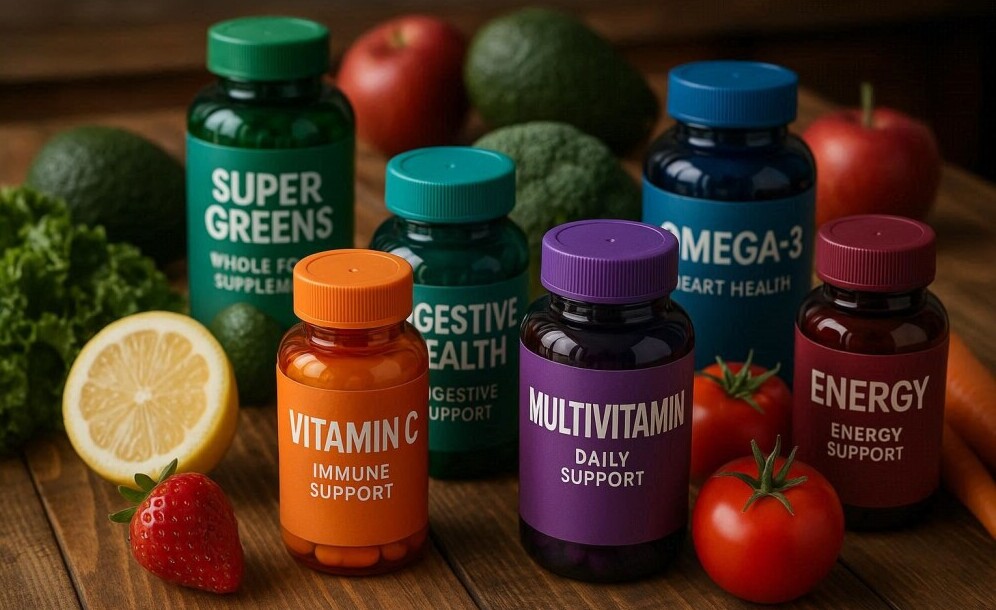
Why Supplement Reviews Matter for Smart Choices
The supplement market has exploded lately, with new options arriving every year. Vitamins, minerals, protein powders, herbal blends—there’s something for nearly every health goal, but not every product on the shelves is equal. Learning how to spot solid reviews can help you avoid wasting time and cash, and keep your health goals on track.
Sales of dietary supplements in the U.S. alone are projected to cross $60 billion by 2025 (source). With an industry that big, you can bet marketing is strong, but research and honest feedback play huge roles in figuring out what’s actually useful. Reliable reviews from people who have tried the products (and know what to look for) are super important for making confident choices.
My recommendation
1. Vitamin D
What it does:
- Supports bone health, calcium absorption
- Important for immune function
- May help mood regulation in those with low sun exposure
Evidence:
There’s good evidence that many people (especially in northern climates, during winter) are deficient. Supplementation can help reduce risk of respiratory infections, and improve bone health.
Cautions / things to watch out for:
- It’s fat-soluble, so overdosing can lead to toxicity (e.g., hypercalcemia).
- Best taken with a meal containing fat to improve absorption.
- Have your blood levels checked if using high doses.
2. Omega‑3 Fatty Acids (EPA & DHA)
What it does:
- Cardiovascular benefits (e.g. reducing triglycerides)
- Anti‑inflammatory effects
- Supports brain health
Evidence:
Studies show that regular intake of omega‑3s from fish or supplements is associated with reduced risk of heart disease.
Cautions:
- Quality matters—choose a supplement tested for purity (low heavy metals, PCBs).
- Can increase bleeding risk in high doses, especially if on anticoagulants.
- Smell/taste issues; sometimes “fishy burps.”
3. Magnesium
What it does:
- Supports nerve and muscle function
- Helps regulate sleep quality
- Involved in hundreds of enzyme reactions in the body
Evidence:
Many people’s diets are low in magnesium. Supplementation has been shown to improve sleep, reduce muscle cramps, and support metabolic health.
Cautions:
- High doses may cause digestive upset (diarrhoea etc.).
- Different forms (magnesium oxide vs citrate vs glycinate etc.) have different absorption / side‑effect profiles.
- If you have kidney problems, check with a doctor before supplementing.
4. Zinc
What it does:
- Immune system support
- Helps with wound healing
- Important for enzyme systems, taste/smell
Evidence:
Zinc supplementation can reduce duration of colds in some cases; helps if deficient. However, taking too much is risky. Aspire Fit+1
Cautions:
- High doses over time can interfere with copper absorption.
- May cause nausea or metallic taste.
- Don’t exceed recommended daily limits unless under medical supervision.
5. Probiotics
What it does:
- Helps maintain a healthy gut microbiome
- May support digestive health, immunity
- Some strains help with specific issues (IBS, antibiotic recovery etc.)
Evidence:
Good evidence for specific strains in specific conditions. But benefit depends heavily on strain, dose, product quality.
Cautions:
- Not all probiotics are equal; many commercial products are under‑studied.
- If immunocompromised or seriously ill, be cautious.
- Store properly (many need refrigeration) to maintain viability.
6. Multivitamin / Multimineral Formulas
What it does:
- Fills nutritional gaps in diet
- Broad support: immune, energy, organ function etc.
Evidence:
Useful for people whose diets are restricted (e.g. vegans), or who have increased needs (e.g. pregnancy, older age). But for many with good diets, benefits are modest. Aspire Fit+1
Cautions:
- Possible over‑laps: you might be doubling up on nutrients if also taking single‑nutrient supplements.
- Some multivitamins contain unnecessary fillers or low-quality forms of minerals/vitamins.
- Fat‑soluble vitamins (A, D, E, K) can build up in excess.
7. Creatine
What it does:
- Supports muscle strength, power output
- May help with brain energy/cognitive tasks
- Good for high‑intensity training / older adults preserving muscle mass
Evidence:
Strong for athletic performance and increasing lean mass. There’s also emerging evidence for neuroprotective effects (but more research needed).
Cautions:
- Requires adequate hydration.
- Can cause digestive discomfort if taken in large single doses.
- People with kidney issues should consult a doctor before use.
8. Ashwagandha
What it does:
- Adaptogenic herb: helps the body manage stress
- May reduce cortisol, improve sleep quality, mood
Evidence:
Some clinical trials suggest benefit in stress, anxiety, and mild insomnia. However long‑term safety and optimal doses are less well established.
Cautions:
- Possible side effects include stomach upset, drowsiness.
- Could interact with sedatives or thyroid medications.
- Not always well‑regulated; quality & purity vary.
9. Turmeric / Curcumin
What it does:
- Powerful anti‑inflammatory and antioxidant effects
- May help joint pain, metabolic health, possibly mood
Evidence:
Curcumin has shown promise in reducing pain from arthritis, and in markers of inflammation. However, its bioavailability is low unless formulated with enhancers (e.g. piperine or specific delivery systems).
Cautions:
- High doses could cause digestive issues, or affect liver enzymes.
- May interact with blood thinners.
- Be cautious of exaggerated claims.
10. Iron
What it does:
- Essential for red blood cell production and oxygen transport
- Important for energy, cognitive function
Evidence:
If you’re deficient (e.g. iron‑deficiency anaemia), supplementation makes a big difference. But for people with sufficient iron stores, supplementation has little benefit and could be harmful in excess.
Cautions:
- Excess iron can be toxic; can cause gastrointestinal issues, organ damage.
- Best taken with Vitamin C (enhances absorption), and away from calcium or caffeine (which inhibit absorption).
- For people with haemochromatosis or other iron‑storage disorders, avoid supplementation unless prescribed.
⚠️ Overarching Considerations
- Quality & sourcing is super important. Many supplements on the market are underdosed, contaminated, or mislabelled. The UK has stricter regulation than some places, but issues still exist.
- Always check interactions with medications (prescription or over‑the‑counter).
- Start with a lab test if possible so you know what you actually need.
- Lifestyle + diet are foundational — supplements help fill gaps, not replace good food, sleep, exercise etc.
Common Supplement Questions—Answered
Here are a few FAQs I get asked often about supplements:
What’s the best way to try a supplement safely?
Answer: Start with one new supplement at a time and track how you feel over at least two weeks before adding anything new. This approach makes it easier to pinpoint what’s working (or isn’t).
How do I spot fake or unhelpful supplements?
Answer: Avoid products that don’t show their ingredient list, don’t have thirdparty testing, or make wild health claims (like instant weight loss or miracle cures).
Can I take multiple supplements at once?
Answer: Sometimes, but not always. Too many supplements at the same time can interact or overlap. Check with a doctor, especially if you take other medications or have a health condition.
Do supplements work right away?
Answer: Most take time. For example, vitamin D or magnesium often need at least a couple weeks to show noticeable effects, while caffeine has a much faster impact; patience is key.
Are all supplements safe to use for everyone?
Answer: Not always. Some supplements may not be suitable if you’re pregnant, breastfeeding, or have certain health conditions. Always check in with your healthcare provider before starting anything new, to make sure it’s a good fit for you. Also, watch for possible allergies to specific ingredients.
Trying something new?
Keep your health goals and budget front and center, and use reviews to fill in the gaps. Your best results come from thoughtfully chosen, consistently used supplements with clear benefits, along with a bit of patience to see how your body responds. And remember, the world of supplements is always changing, so keep learning and stay curious as you build a path to better health.
